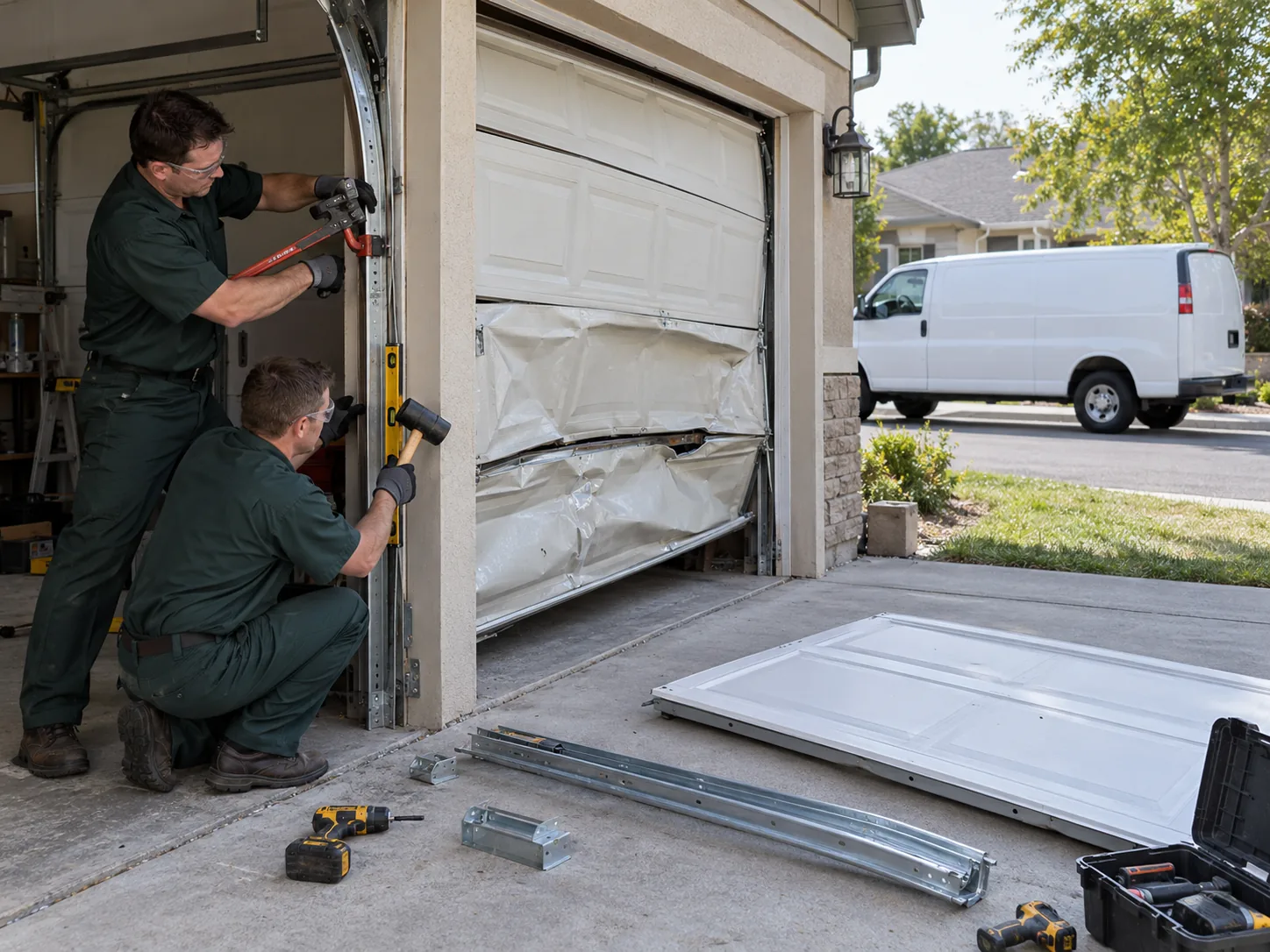
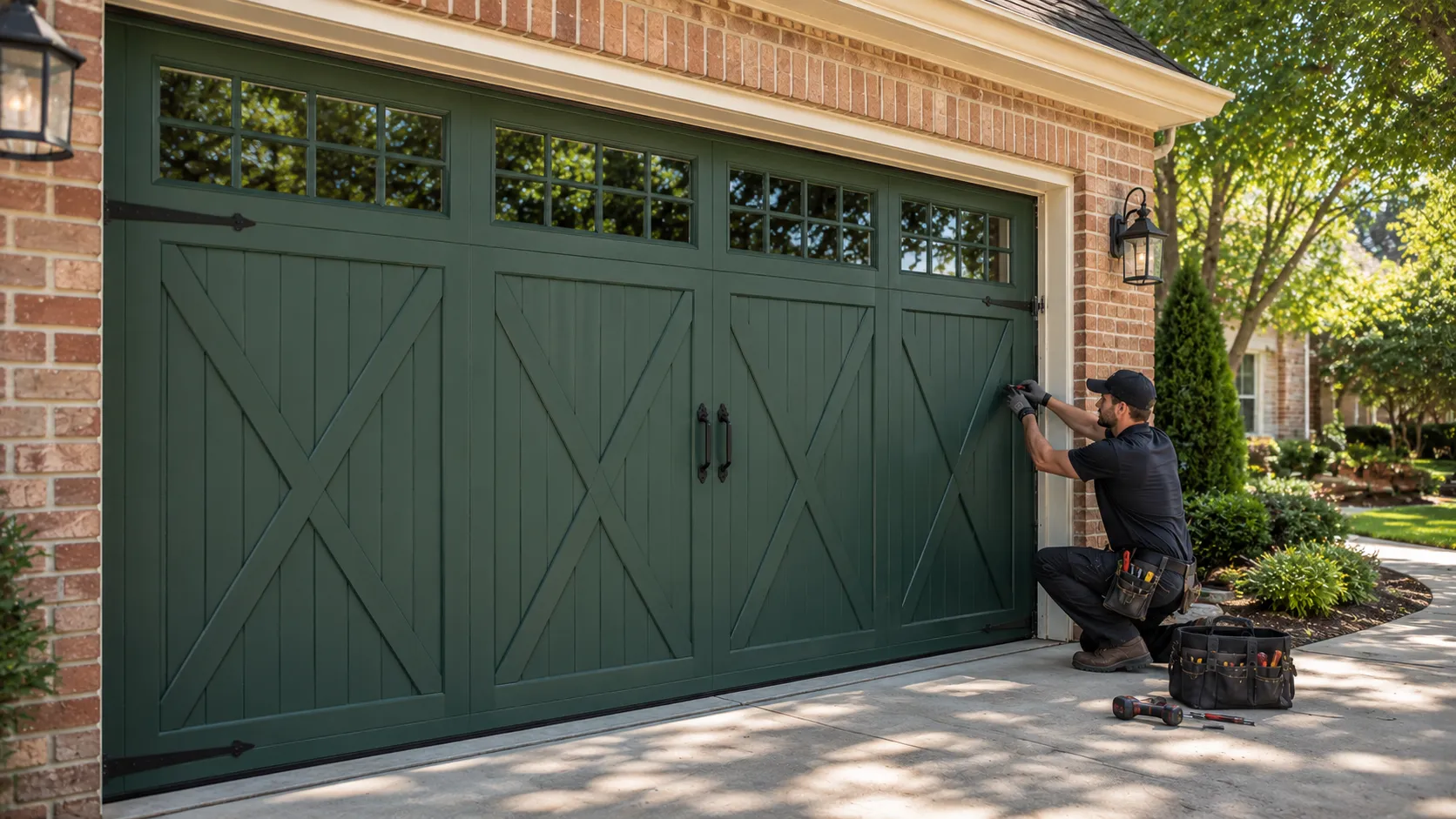
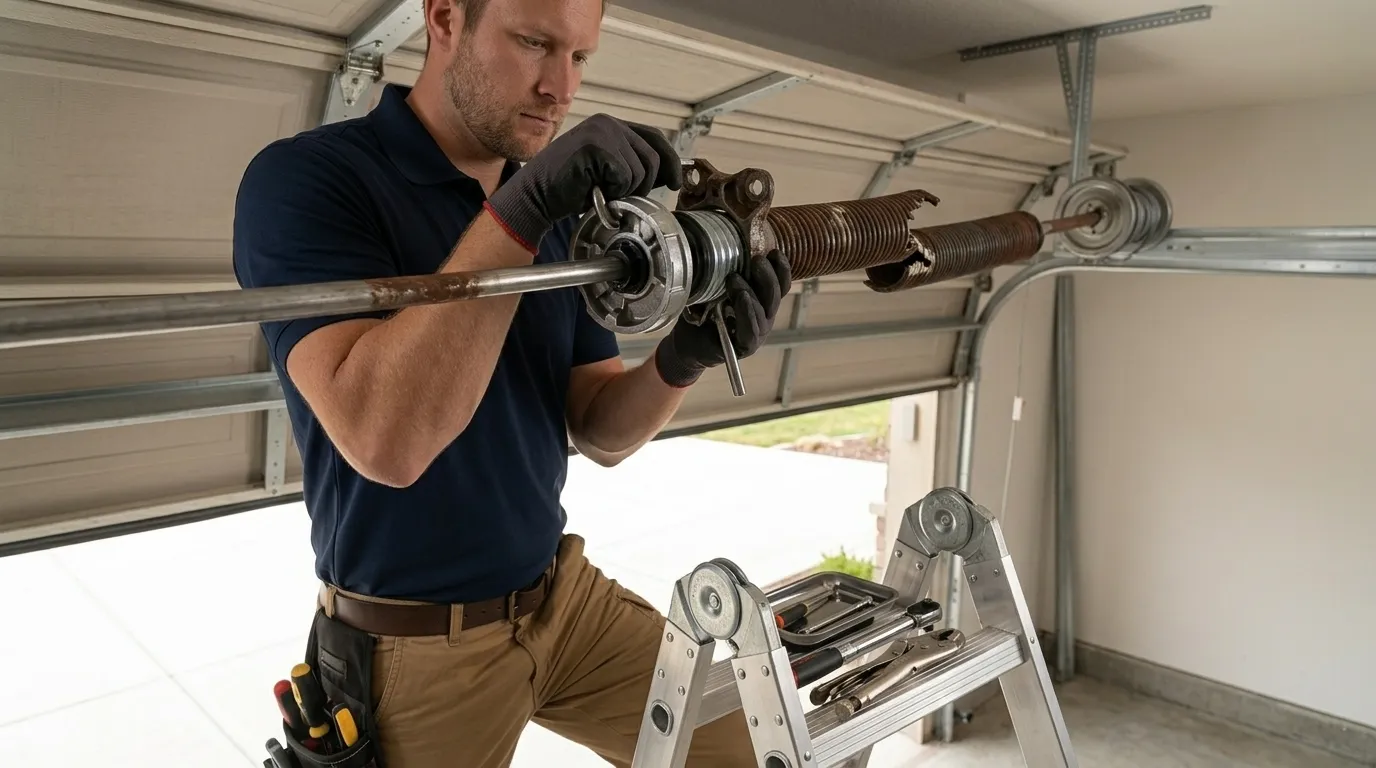
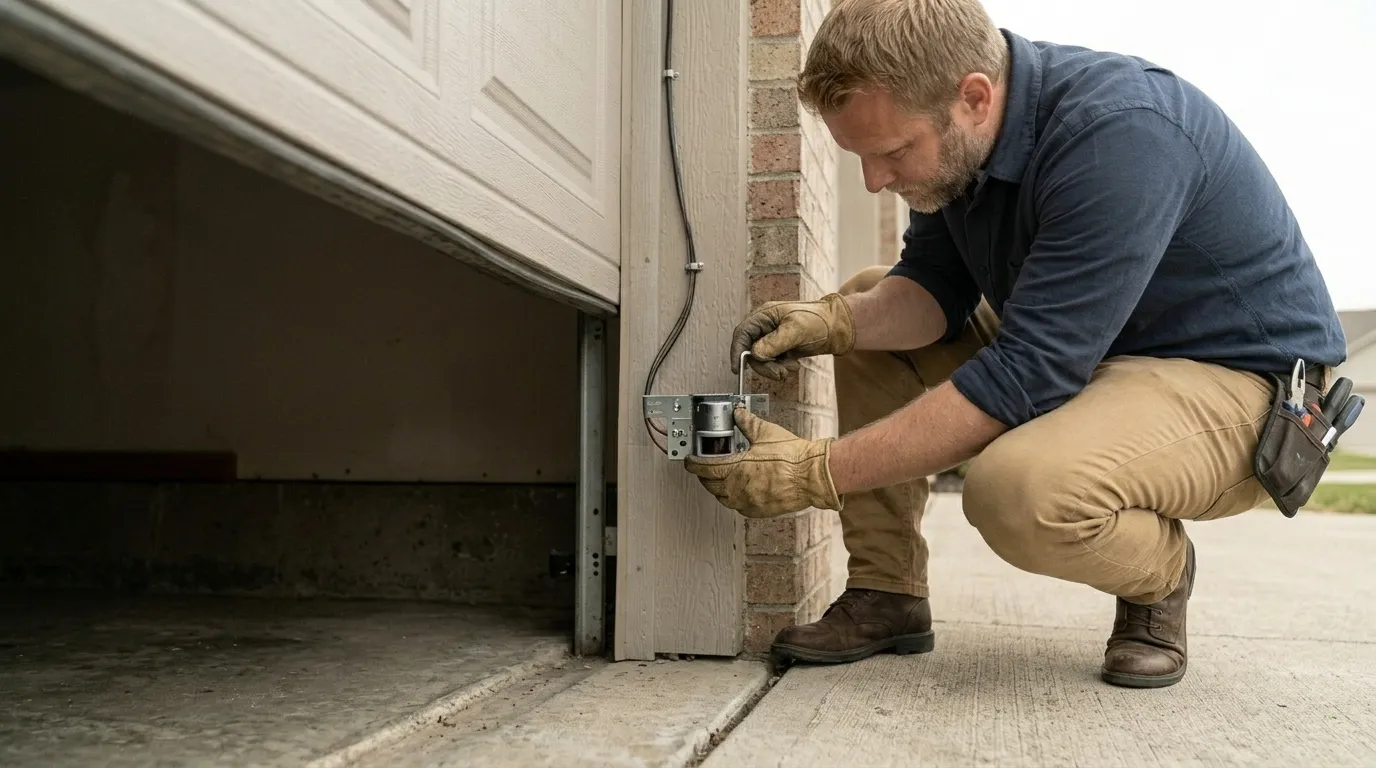
The math here is simple: houses built between 1938 and 2003, with most of the stock going up in the 1960s and 70s, means a lot of doors, springs, and openers are running well past the point their manufacturers expected. Hardware from that era wasn't built for a 50-year service life, and across the roughly 542,515 households and 263,398 owner-occupied houses in this service area, that adds up to a steady, predictable volume of spring and cable failures rather than random breakdowns.
The cold-moderate climate band this area sits in matters too. Repeated freeze-thaw cycles each winter stiffen lubricant, contract metal springs and cables, and swell wood door jambs - all of which put extra strain on hardware that's already decades old. That combination of old stock and hard winters is why emergency calls cluster hard in the coldest stretches of the year.
With a median household income of $97,861 across the area, most owners we talk to want the door fixed properly rather than patched cheap - which lines up with how we approach these jobs: match the part to the door, not just to the symptom.