
Spring work personal safety protocol
We don't recommend touching it yourself, and honestly, we won't walk you through it over the phone either - that's the one thing on this list we'll flatly say no to.
West Chicago, Wheaton
Commercial garage door repair and service for West Chicago, IL, six miles from our Wheaton shop, built for the town's 1980-median commercial and light-industrial stock.
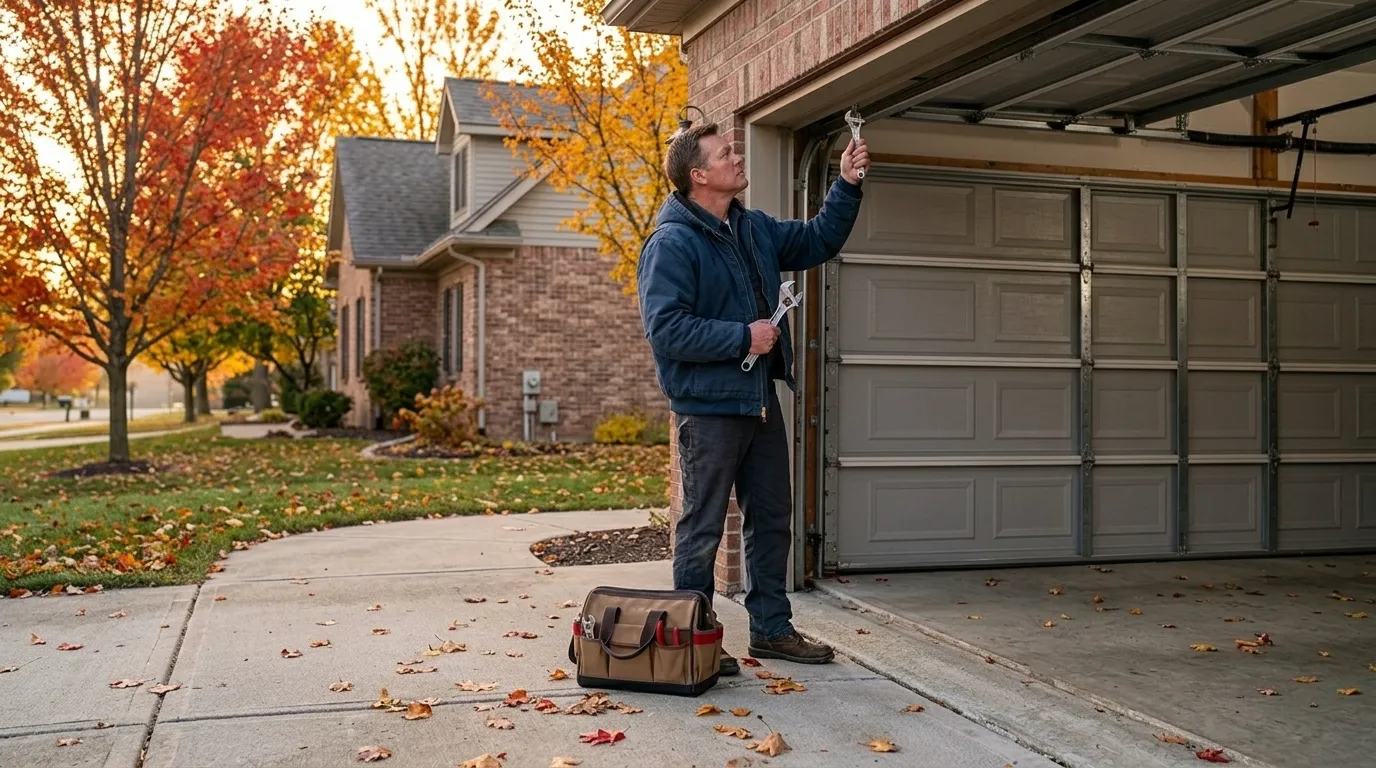
Our process
West Chicago's own building stock centers on 1980, a few years newer than the 1976 median across the rest of the Wheaton service area. That gap matters more than it sounds.
Buildings put up around 1980 almost always went in with steel sectional commercial doors on chain-hoist or jackshaft operators, sized for the lift heights and code standards of that decade. When we get a call here, we're usually looking at that same original door forty-plus years on, not a door that's been swapped out.
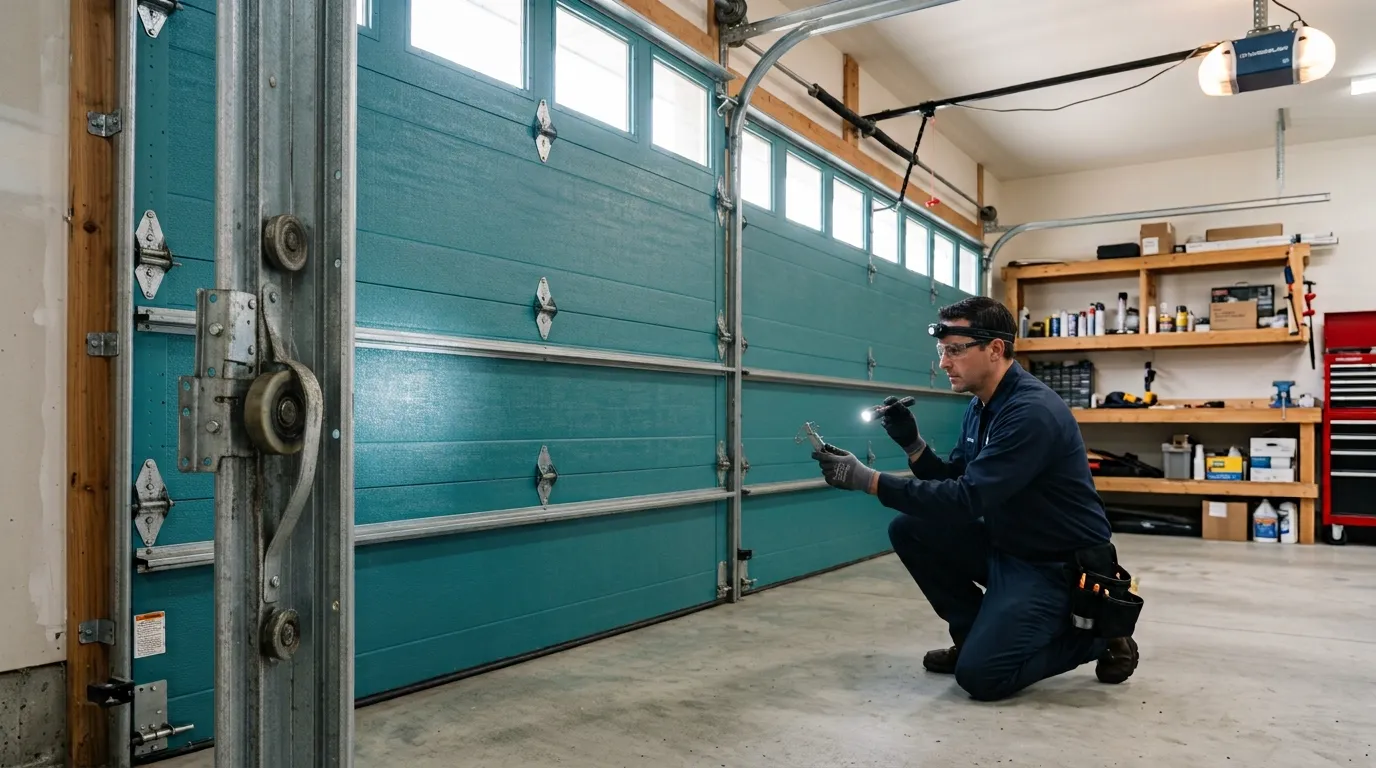
We start by checking whether the track, the shaft, and the spring count still match the door's original rating, because a lot of these units have had one repair patched onto another over the years without anyone re-checking the math.
On a commercial door that's cycling multiple times a day, a spring rated for the wrong cycle count fails early and it fails hard. We fix what's actually wrong with the door in front of us, not a generic swap-and-go, and we tell you straight if the fix is a bandage or a real repair.
Local causes
A 1980 median build year puts a lot of West Chicago's commercial buildings into their fifth decade of use, and torsion springs, rollers, and cable on a heavy-cycle commercial door don't last that long without attention. The wider Wheaton service area holds 542,515 households and 263,398 owner-occupied houses, but West Chicago itself is a smaller slice at 7,436 households, which means fewer buildings but not fewer hours on each door - a warehouse or shop door here often cycles more per day than a house door ever would. Add the cold climate band the whole area sits in: steel expands and contracts with the swing from summer heat to winter cold, and on a door installed in 1980 that metal fatigue shows up as cracked welds, bent track, or a spring that finally lets go on a subzero morning. None of that is dramatic. It's just what forty years of daily use and Midwest temperature swings does to hardware nobody's replaced.
Timing
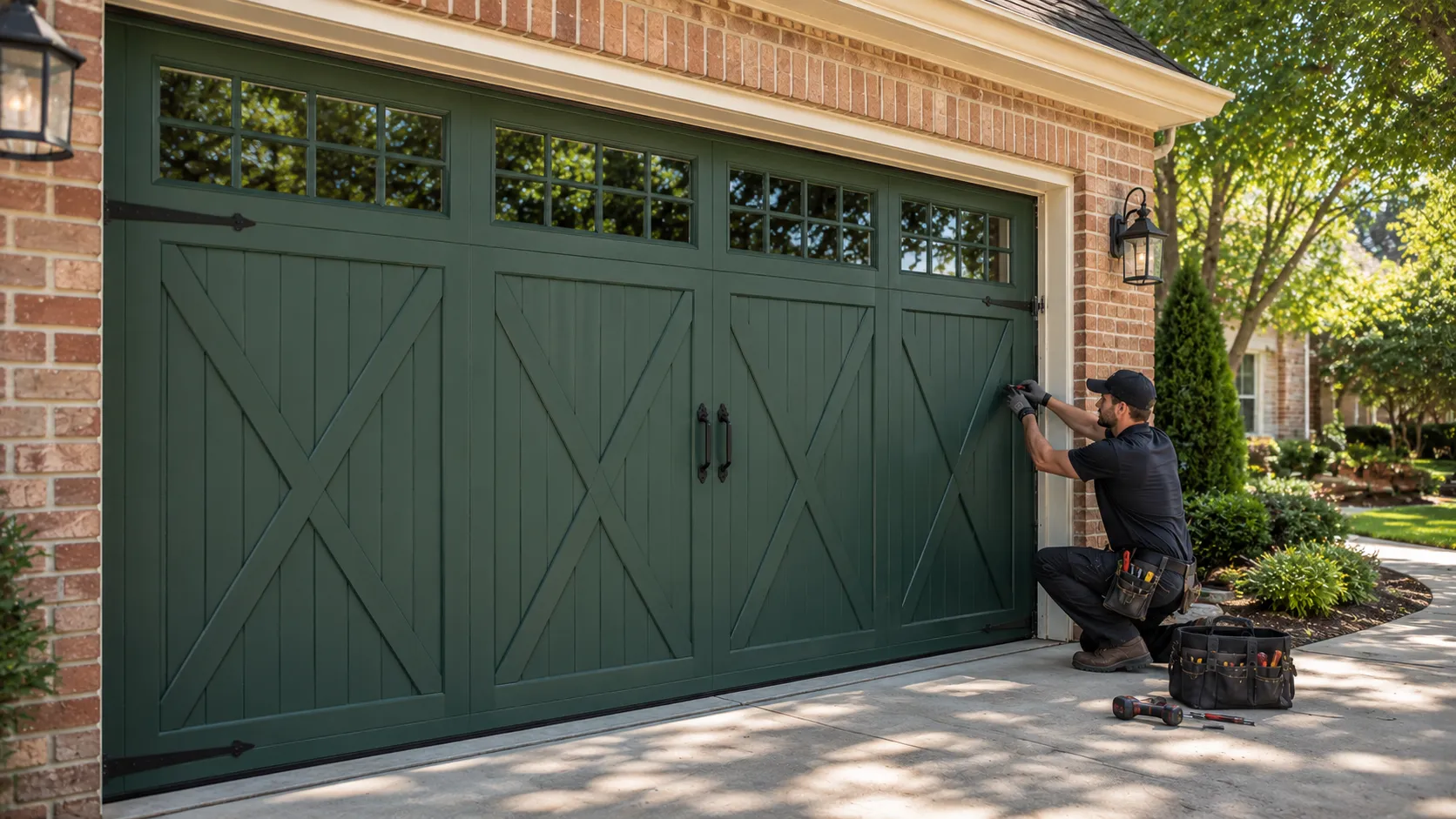
We run this route from our Wheaton shop, about six miles to West Chicago, and we don't quote a fixed response window for that drive - traffic on any given day changes it more than distance does. What we can tell you is what changes the job length once we're there: a spring swap on a standard commercial door is usually a same-visit fix, but if the shaft or bearing plates on an older 1980-era setup have worn unevenly, we may need to true up the whole assembly before the new spring goes on, and that takes longer. Panel damage on steel commercial doors from this era sometimes means a special order, since manufacturers don't keep every gauge and size on a shelf forty years later. We'll tell you on site which kind of job you've got, not after we've already started.
DIY or pro
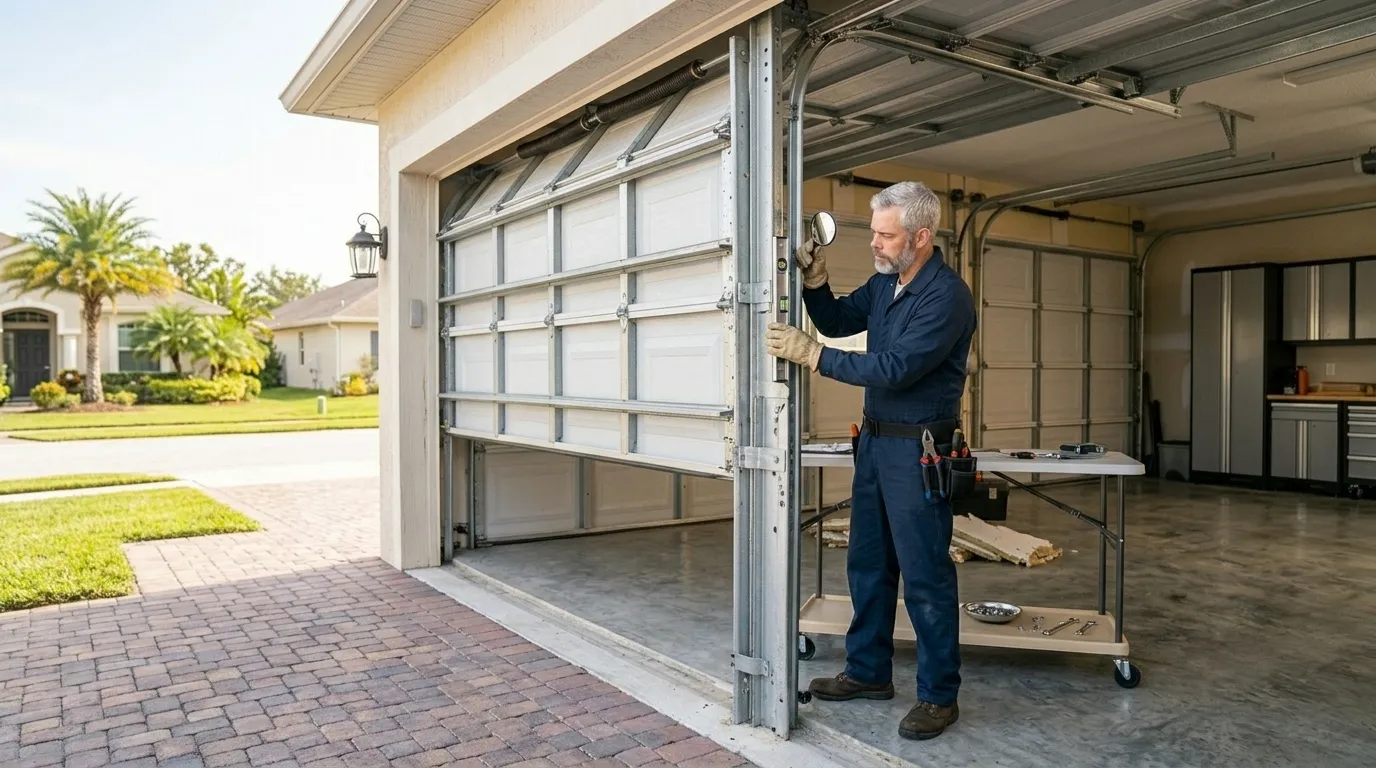
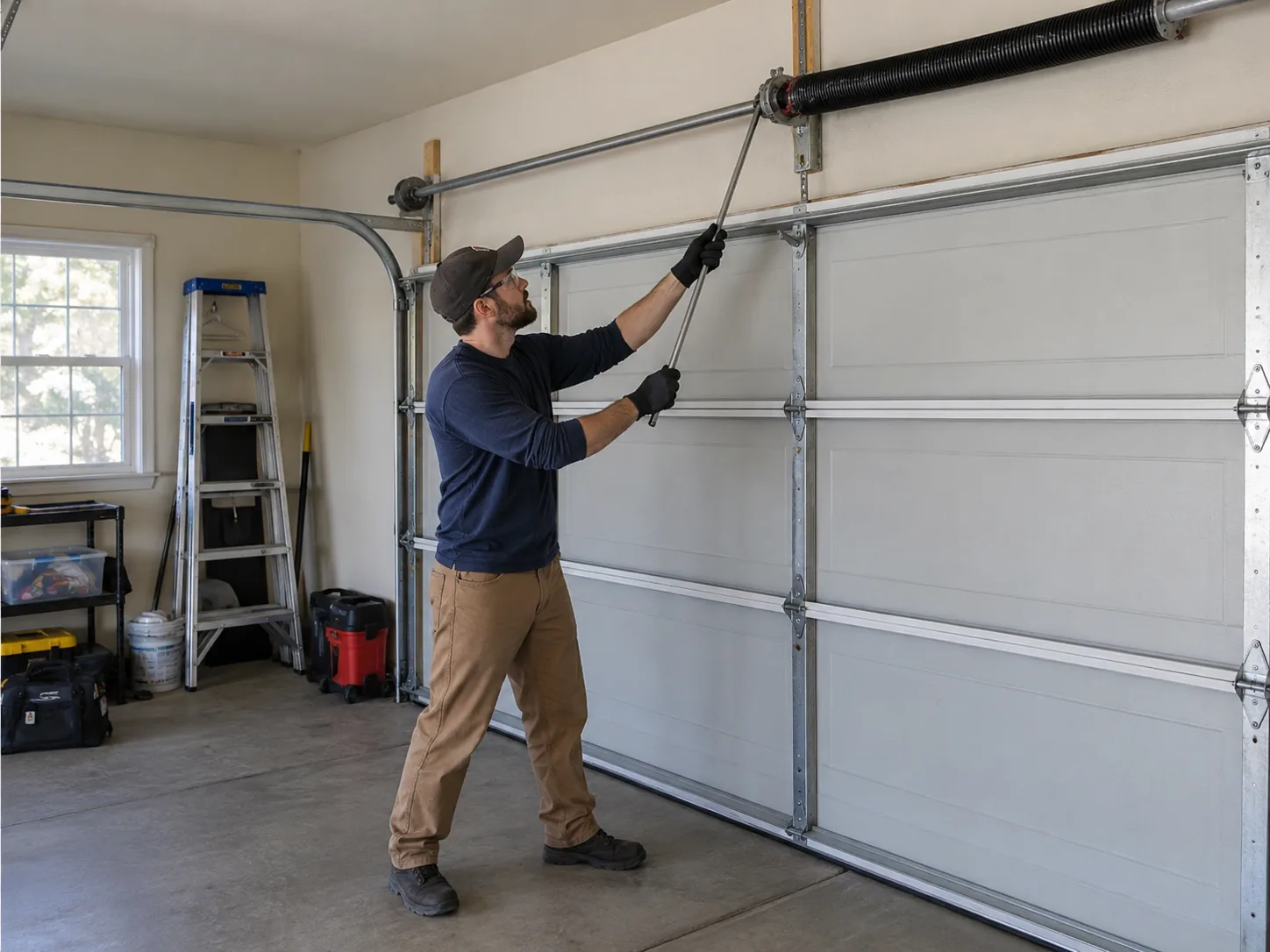
A commercial door spring holds a lot more tension than anything on a house, and on a door built to 1980-era specs, the spring is sized for a heavier panel and a higher daily cycle count than most homeowners have ever handled.
We don't recommend touching it yourself, and honestly, we won't walk you through it over the phone either - that's the one thing on this list we'll flatly say no to.
Where you can help yourself: keep the track clear of debris, listen for a grinding roller before it seizes, and don't keep hitting the opener button if the door stops partway. That habit burns out openers faster than age does.
If the door's original steel is visibly rusted through at the bottom panel, that's a replacement conversation, not a repair one, and we'll tell you that plainly instead of billing you for patchwork.

On the truck
For commercial calls out to West Chicago we carry springs across the common commercial cycle ratings, since a door built in 1980 and cycled daily for decades needs a spring matched to its actual use, not a generic replacement. We stock cable, rollers, and track hardware sized for steel sectional doors, along with the jackshaft and chain-hoist parts that were standard on commercial installs from that era. What we don't carry on the truck is specialty panel stock for older discontinued door lines - if a section is bent or rusted through on an older commercial door, that part sometimes has to be special-ordered, and we'll tell you that cost and wait up front rather than promise a same-day fix we can't deliver.
Questions
About six miles. We travel out from Wheaton for every commercial call in West Chicago rather than running a separate branch there, so scheduling depends on the route and the day, not a fixed local response time.
Doors installed around 1980 were built to that era's steel gauges, lift heights, and operator types - usually chain-hoist or jackshaft. Forty-plus years of daily cycling on that original hardware wears differently than it would on a door installed in the last decade, so the fix often means matching parts to the original spec, not a generic swap.
We carry common commercial springs, cable, rollers, and track hardware on the truck. Discontinued panel stock for older door lines sometimes has to be special-ordered, and we'll say so on site rather than promise a same-day panel fix we can't back up.
Depends on the door. A worn spring or bearing plate is usually a straight repair. Rusted-through panels or a badly bent frame on a door that old often costs more to keep patching than to replace, and we'll tell you which side of that line your door is on.
Explore more
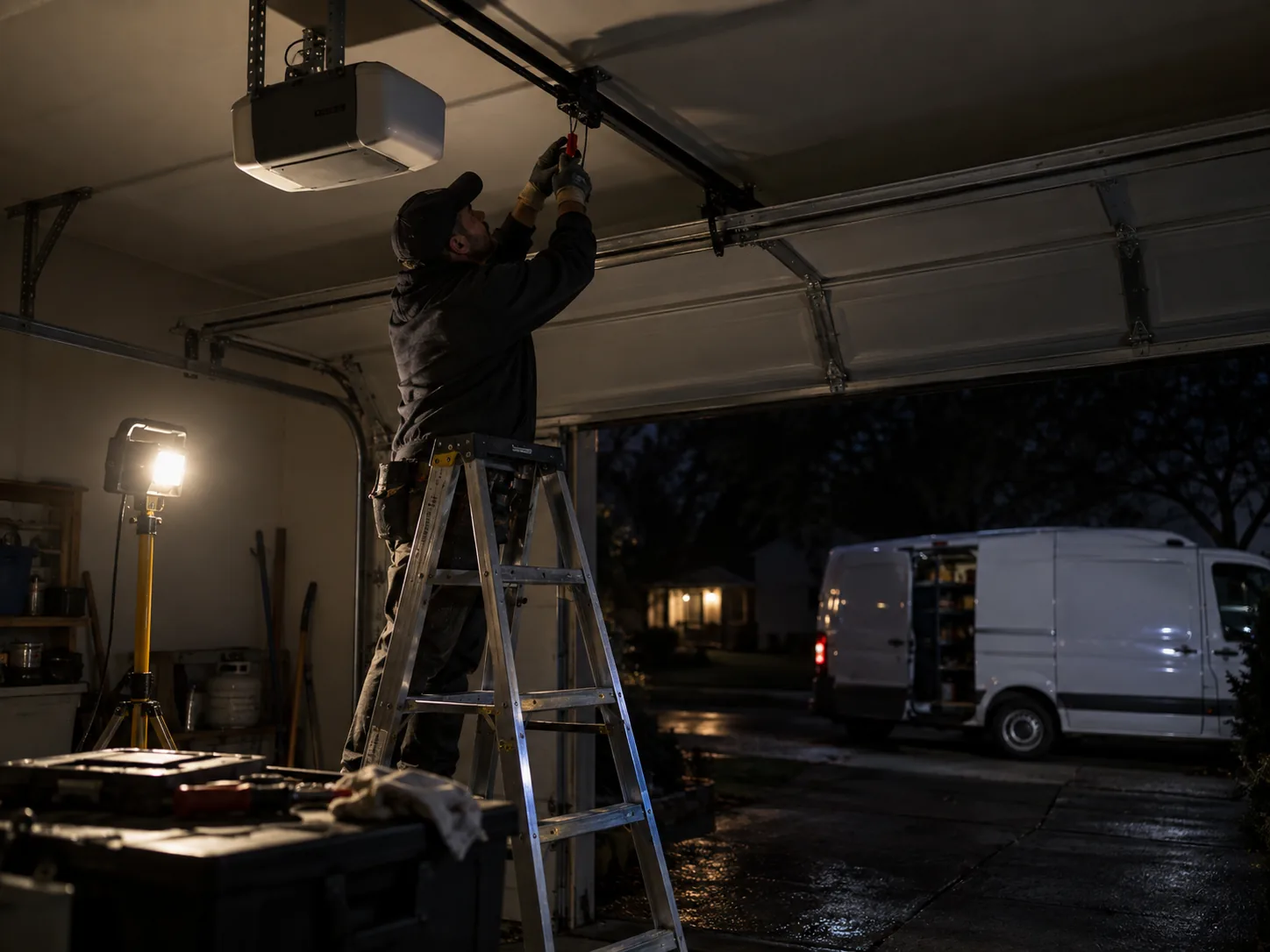
Ready when you are
Wheaton Garage Door Pros repairs and installs garage doors, springs and openers in Wheaton, IL and the surrounding area.