
Delayed Service Call Consequences
The other place this goes wrong: owners who wait until the door won't close at all before calling, by which point a cable that frayed slowly has taken a roller and a track bracket with it.
Winfield, Wheaton
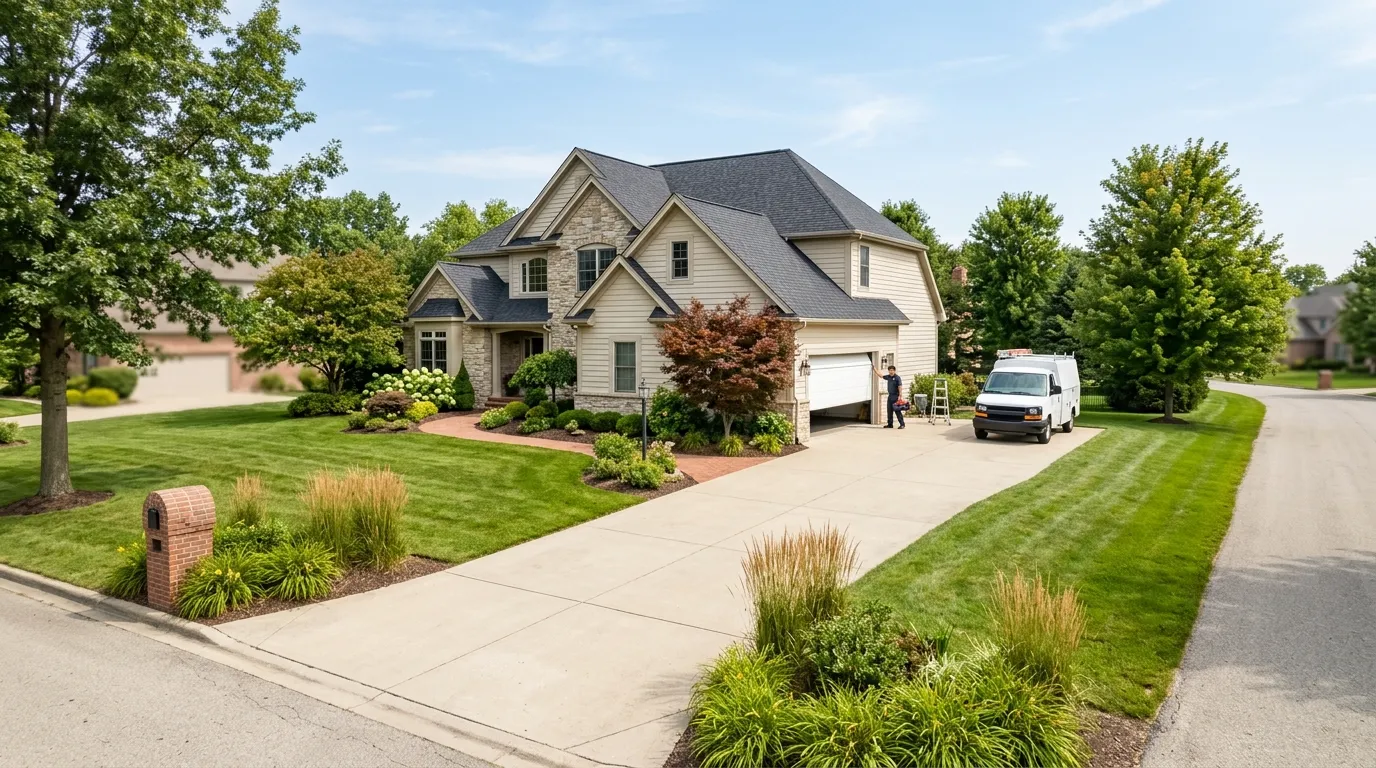
Winfield's commercial bays mostly date to the mid-1980s. We travel the 3 miles from Wheaton to fix steel sectional doors and worn extension-spring hardware from that era.
DIY or pro
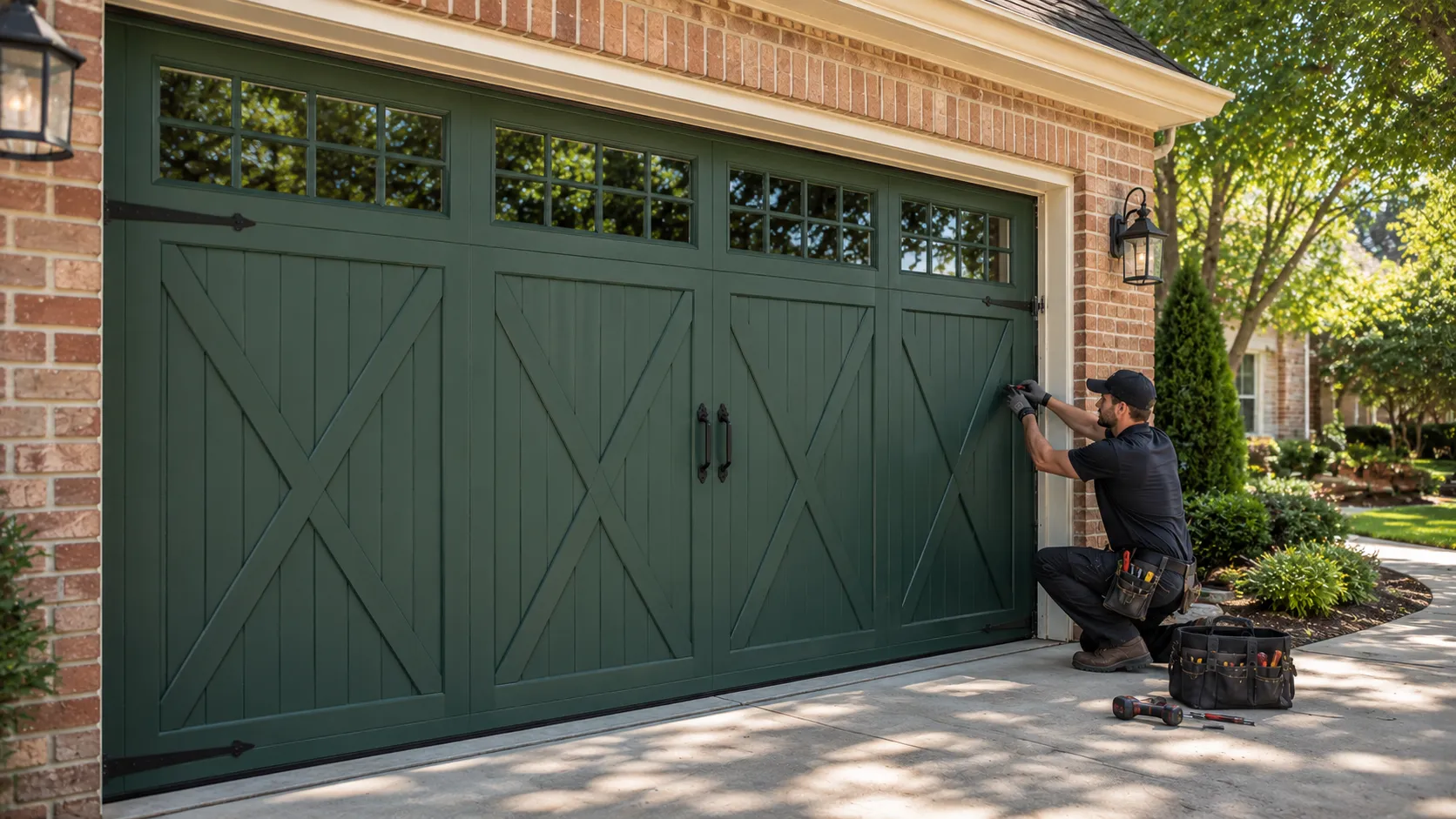
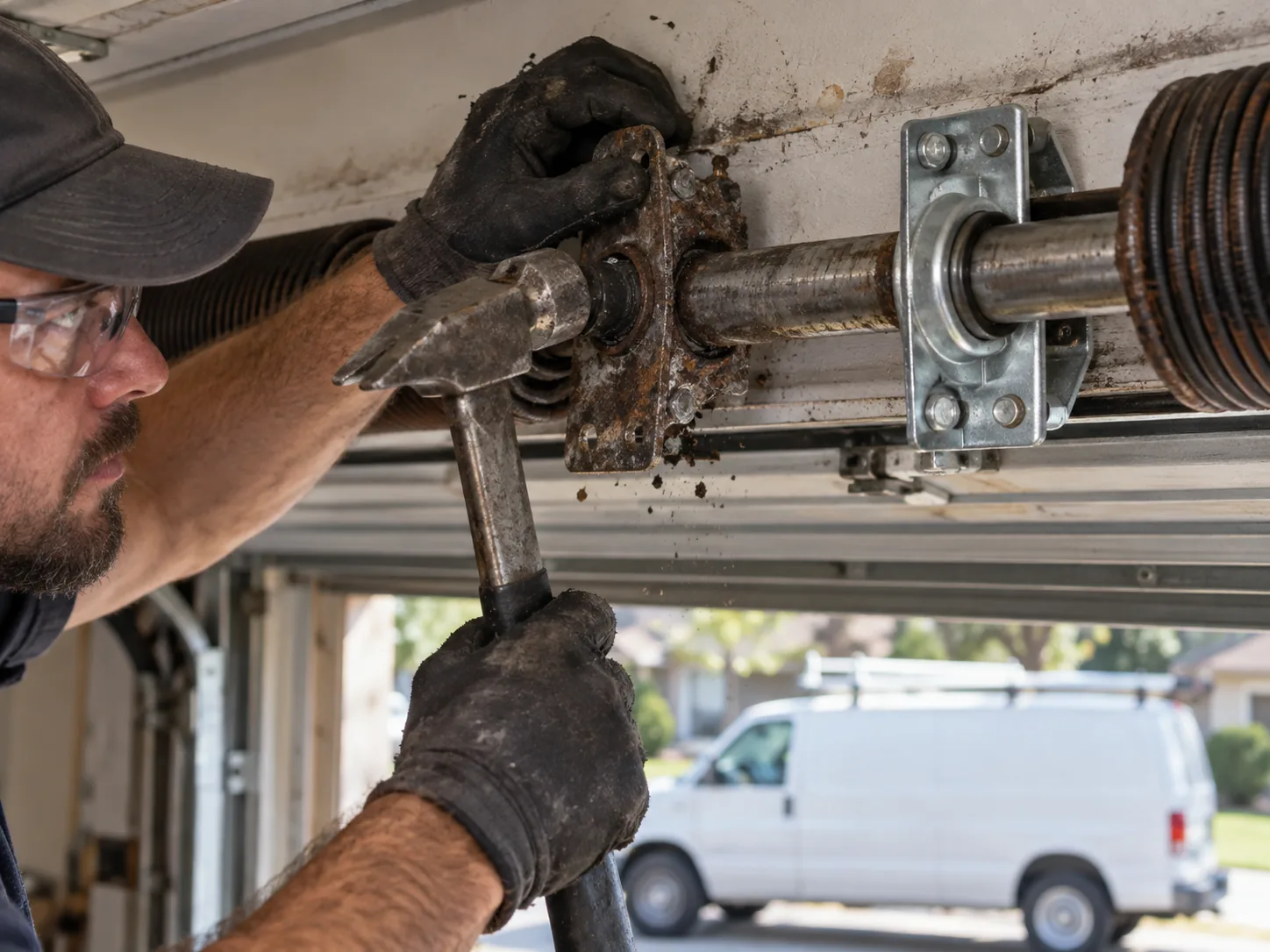
A commercial door here is not a homeowner's single-car door with a bigger motor. Winfield's light-industrial and office-park bays, mostly built when the median structure here went up around 1986, run wider steel sectional panels - often 12 to 14 feet - on extension-spring or early torsion setups sized for daily open-close cycles, not a car twice a day. The springs carry more load, the cable runs are longer, and a spring that lets go on a door that size can put someone in the hospital. We're not going to pretend a video makes this a weekend project. If you're comfortable replacing rollers or tightening a loose track bracket, fine. Springs, cables, and anything holding the door up under tension is a call, not a project. That's the honest limit - past that point, the cost of a mistake is a lot higher than the cost of the visit.
Pricing
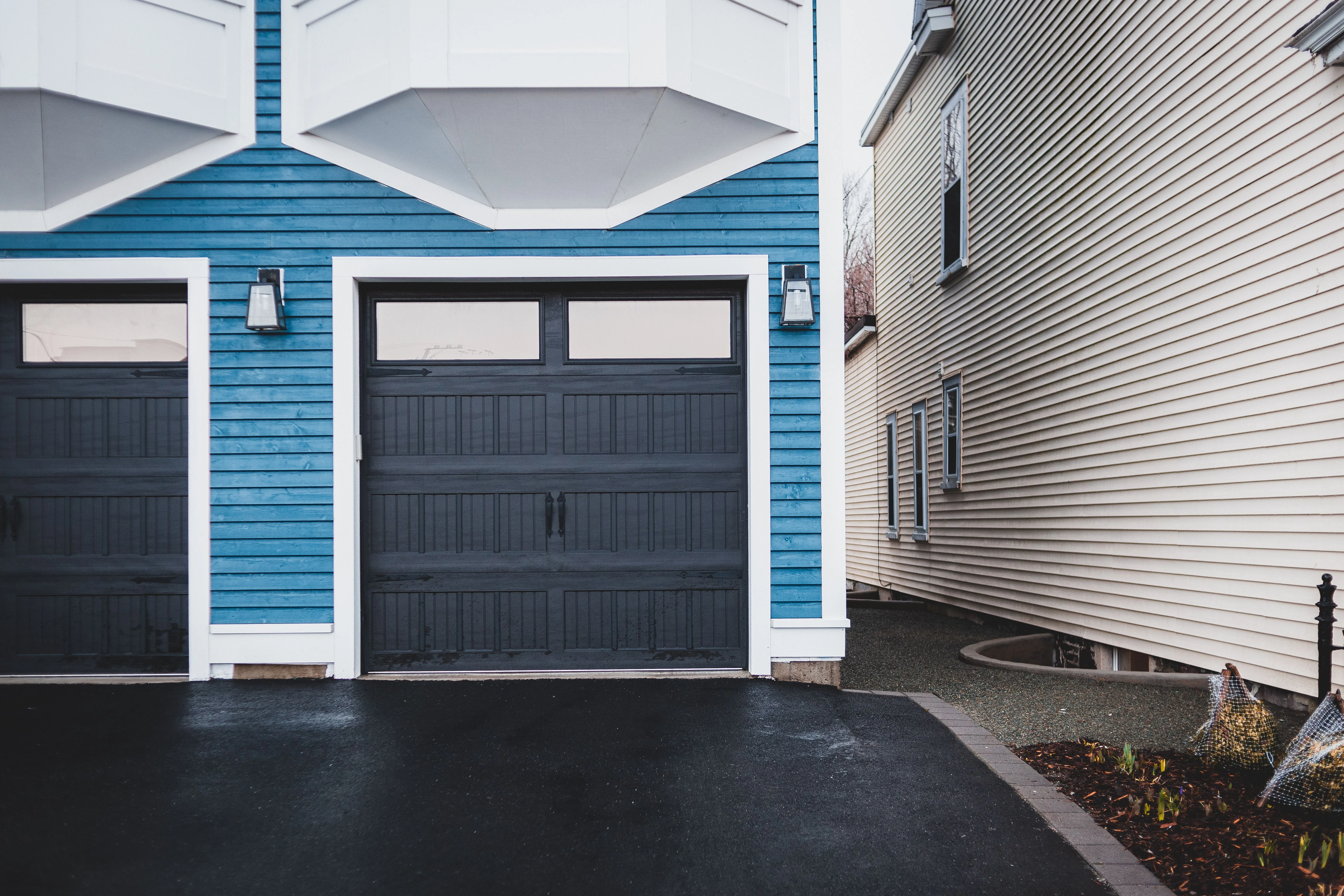
We don't publish a flat number for commercial work because the range is wide - a roller swap on a 1980s-era steel door is a different job than replacing a torsion spring pair sized for a 14-foot bay, and Winfield's newer commercial stock (median build year around 1986) tends to need less structural rework than older buildings elsewhere in the area. What we can tell you: we quote the job after we've seen the door and the opener, not over the phone from a guess. Winfield's median household income runs well above the wider service area's - $143,102 against $97,861 - and we've found that translates to owners who want the door fixed right the first time rather than patched twice. We price for that.
Our process
We come out from the Wheaton shop, three miles down the road, so there's no second dispatch or subcontracted crew showing up in an unmarked van.
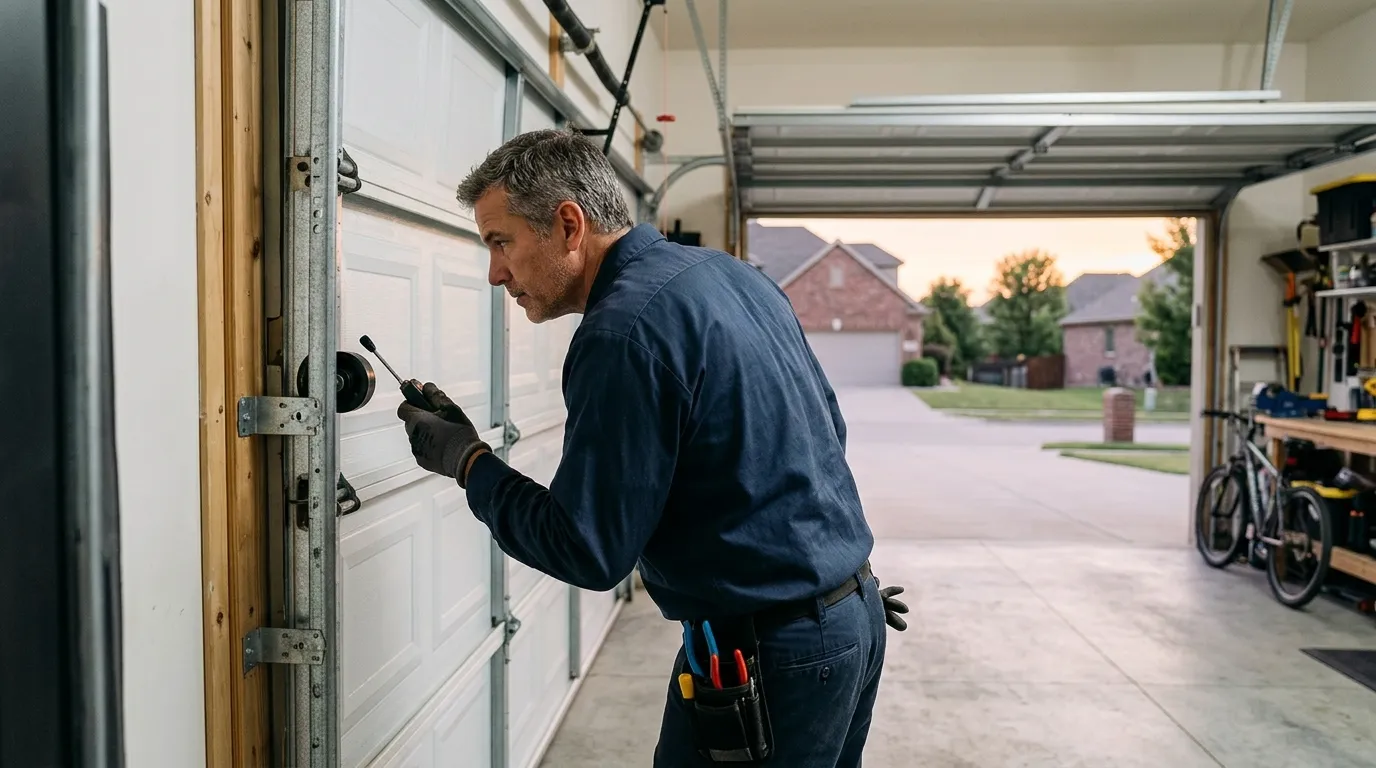
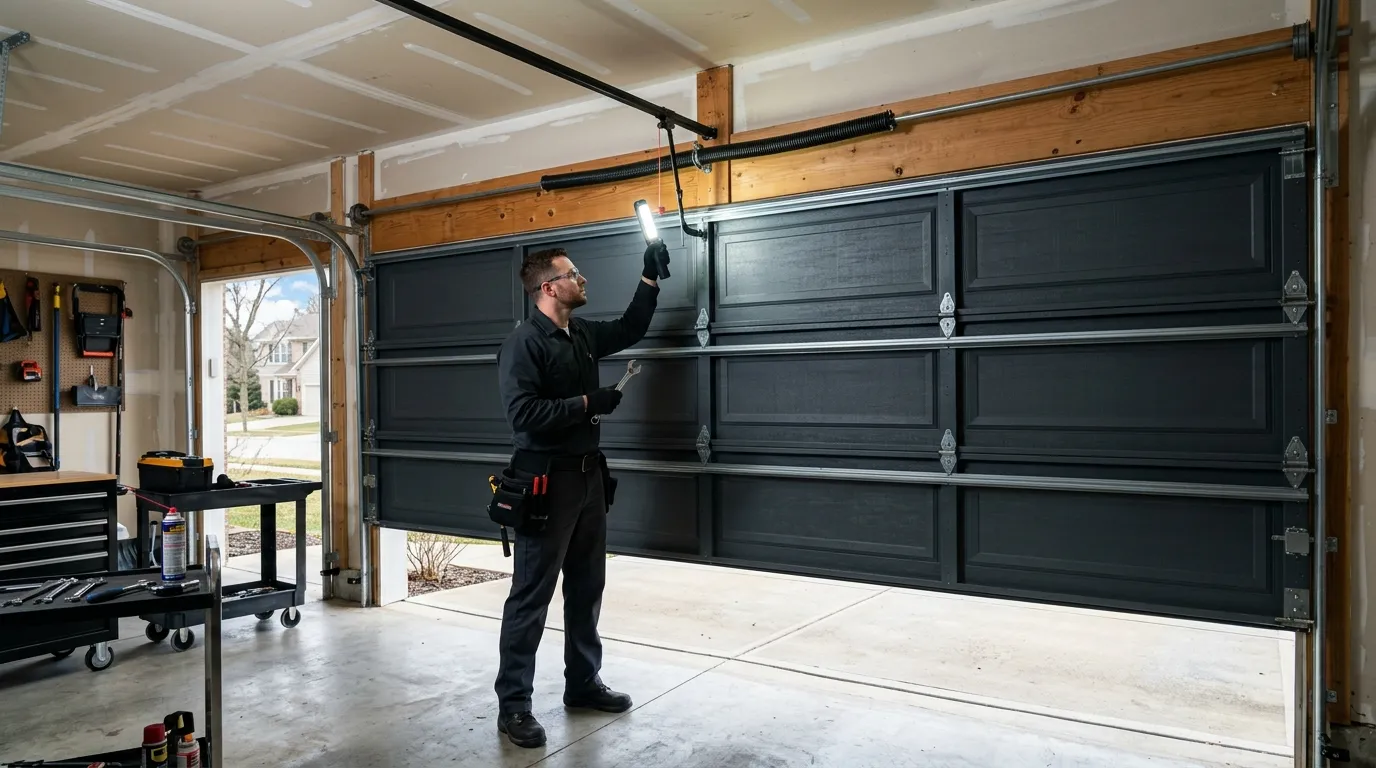
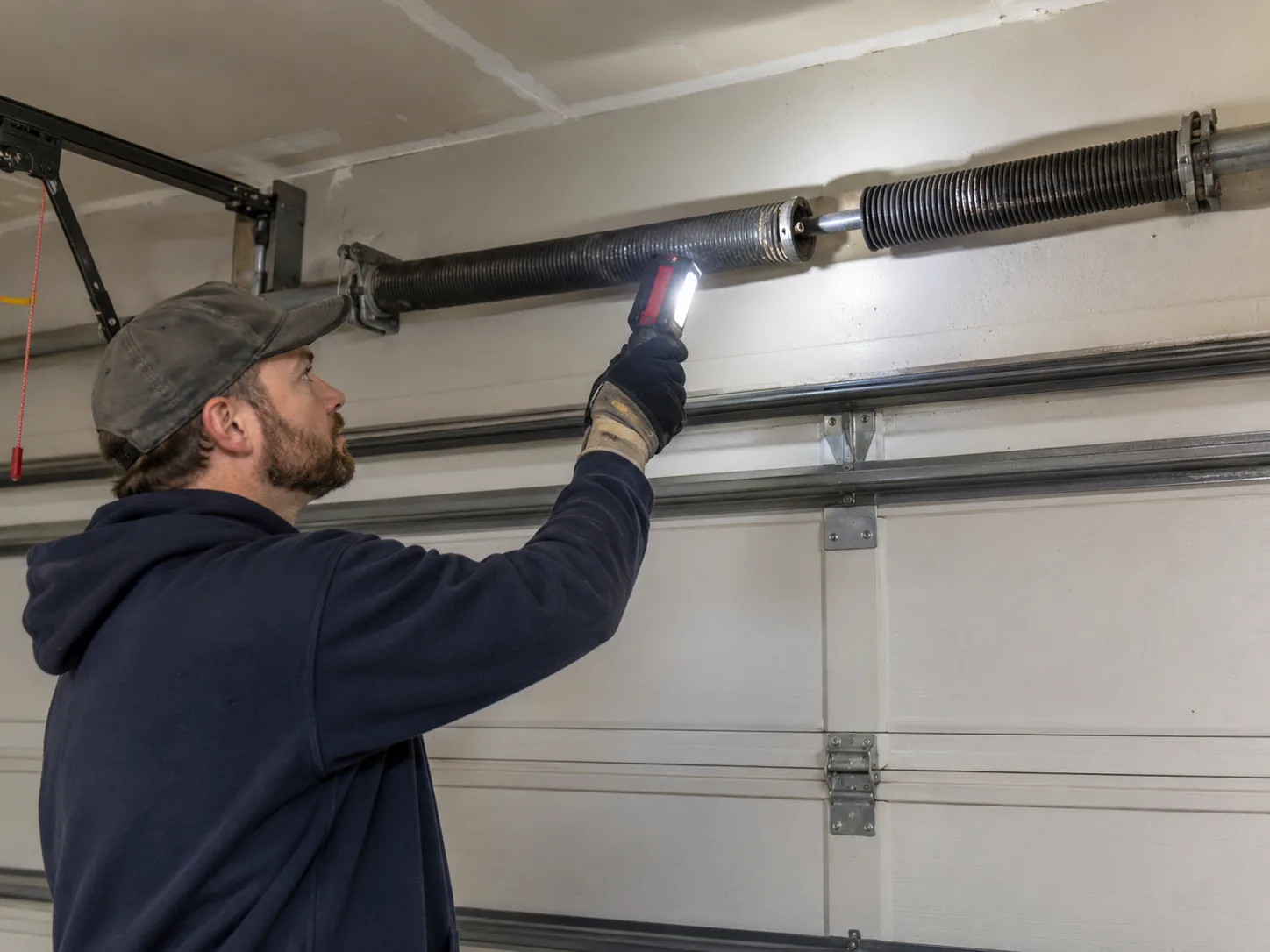
On a commercial call we check the springs first - extension or early torsion, depending on when the bay was built - then track alignment, cable wear, and the opener's force settings, which drift out of calibration faster on doors that cycle several times a day.
Winfield's commercial buildings sit in that mid-1980s band, newer than a lot of what we see closer to Wheaton proper, which usually means galvanized steel panels holding up better than the painted steel from the 60s and 70s common elsewhere in the service area.
That's good news for panel condition, less good news for finding matching parts if a section needs replacing - manufacturers change specs over the decades and a 1986 panel doesn't always bolt to a 2024 replacement without an adapter kit.
Timing
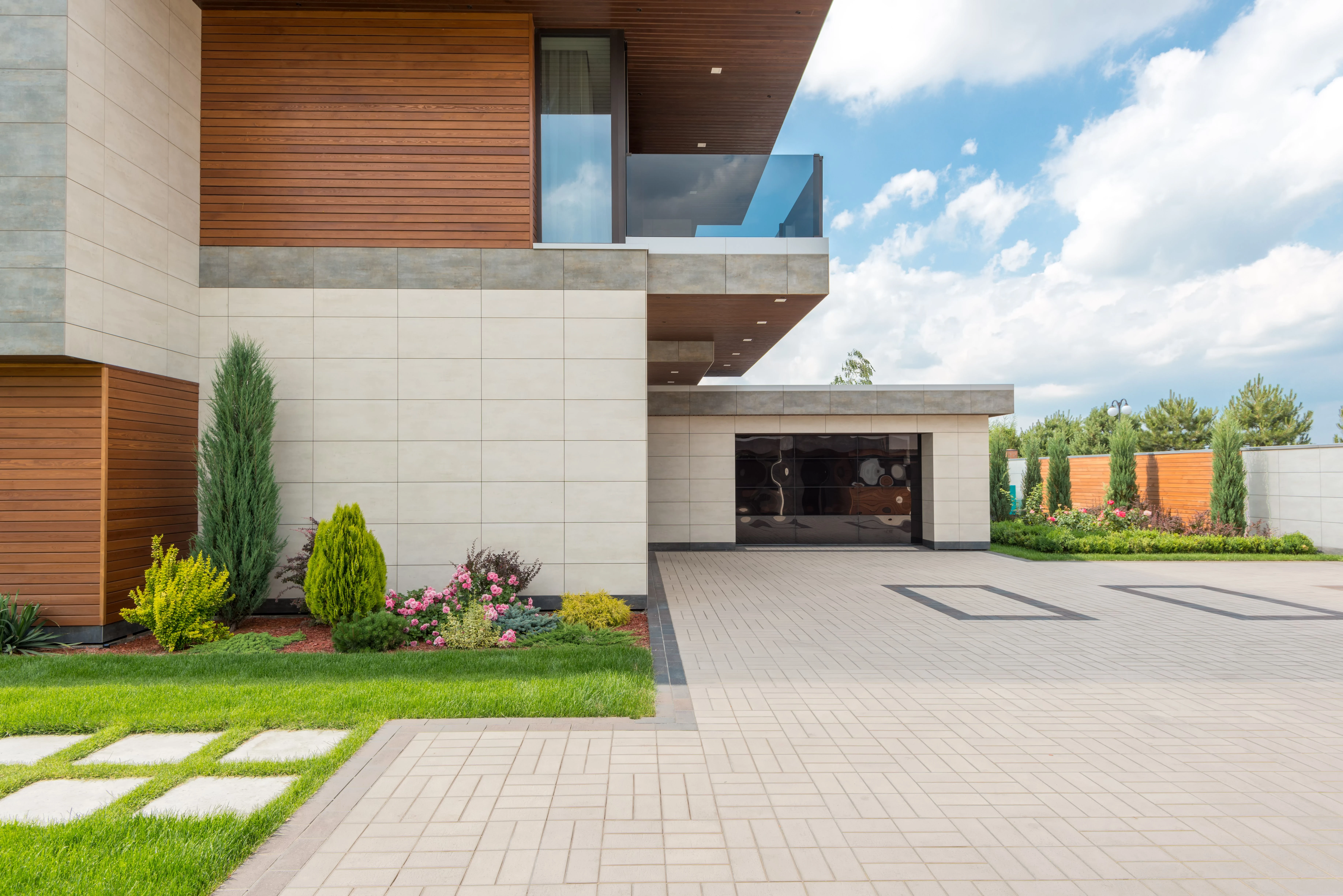
Most spring and cable jobs on a commercial bay run under two hours once the truck is on site - the work itself isn't slow, it's the parts that can hold things up. Because we're not stocking a depot in Winfield, anything outside a standard spring, cable, or roller kit means we order it and come back, and that second trip is the honest bottleneck on this kind of job. The three-mile run from Wheaton means we're not losing half a day to travel, which helps when a business needs the bay operational before the next delivery truck shows up. We don't promise a same-day fix on every call - if the part isn't common, it isn't common, no matter how close we are.
Watch-outs
The trouble spot on Winfield's commercial doors is usually the opener, not the door itself. A building put up around the 1986 median here often had its opener replaced once already, sometimes with a residential-grade unit that's undersized for a door that cycles all day - we've seen that mismatch cause repeat callbacks that look like a spring problem but aren't.
The other place this goes wrong: owners who wait until the door won't close at all before calling, by which point a cable that frayed slowly has taken a roller and a track bracket with it.
One job becomes three. If a door is dragging, squealing, or closing unevenly, that's the window to call - not after it stops moving.
Symptoms
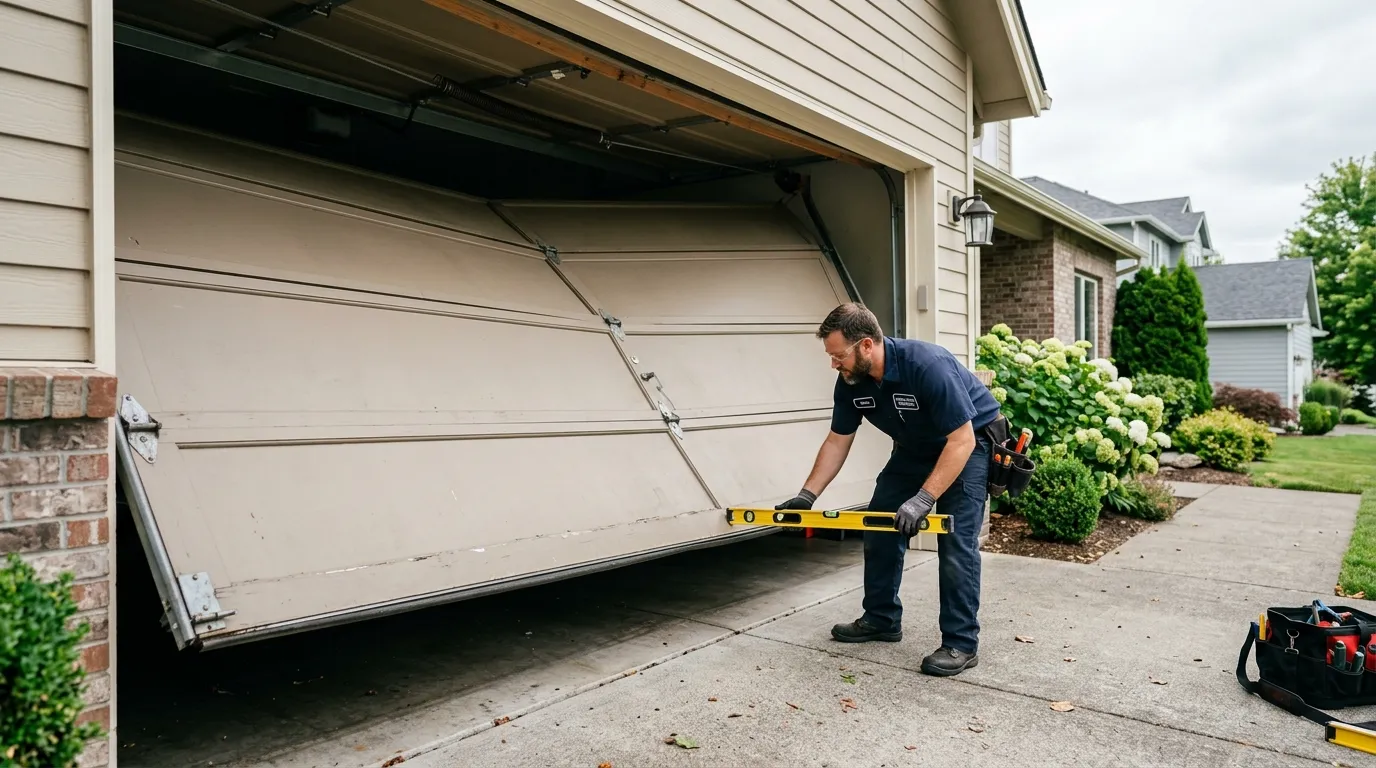
The complaint we hear most from Winfield's commercial side is a door that reverses partway through closing, or won't fully seat at the bottom. On a steel sectional door from the 1980s stock common here, that's almost always the opener's close-force sensor reading resistance from a track that's shifted slightly out of plumb - not a dramatic failure, just decades of thermal cycling in a cold-moderate climate working a bolted frame loose a fraction at a time. It's a small fix when caught early: realign the track, reset the force limits, done. Left alone, the door keeps fighting the misalignment until a roller wears through or a cable takes the extra strain and snaps. With 4,013 households and a comparable count of small commercial bays in Winfield, this is the single most common call we get from this side of town.
Questions
No - we run out of Wheaton, three miles away. We don't stock a depot in Winfield itself, so common parts like springs, cables, and rollers ride on the truck, and anything unusual gets ordered and scheduled for a return visit.
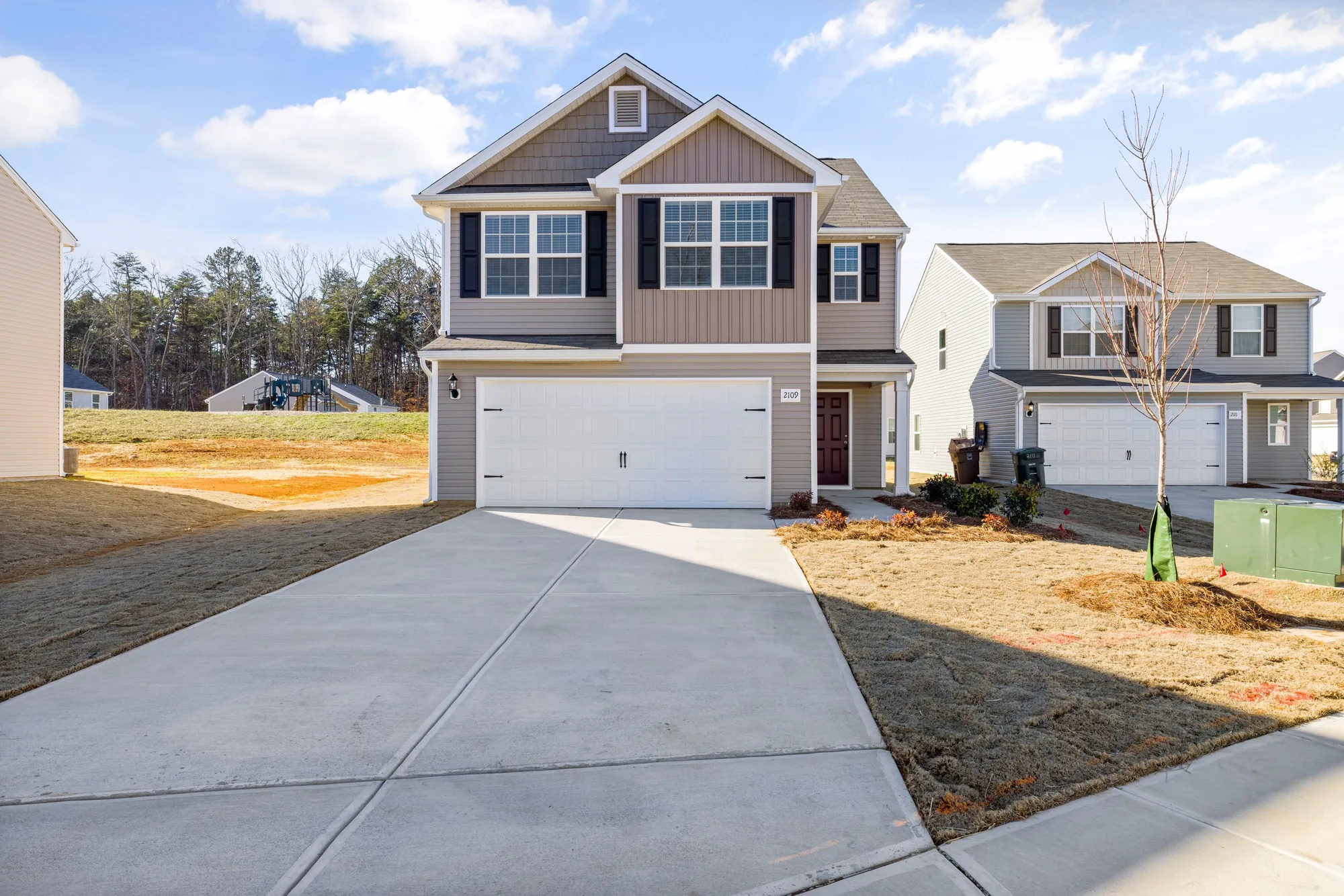
Winfield's commercial buildings tend to date to around 1986, a decade newer than the wider service area's 1976 median build year. That usually means galvanized steel panels and early torsion or extension-spring hardware rather than the older painted-steel doors common on older stock nearby.
Depends on the panel and the age of the opener. If the steel is intact and it's a spring, cable, or roller issue, repair almost always makes sense. If the opener's undersized for the door's daily cycle count or the panel's damaged beyond one section, replacement usually costs less over time than repeated callbacks.
Explore more
Ready when you are
Wheaton Garage Door Pros repairs and installs garage doors, springs and openers in Wheaton, IL and the surrounding area.