
Guide
Detached and Attached Garage Doors Wear Differently Around Wheaton
Wheaton homes built between 1938 and 2003 have very different garage setups. Here's what to check on detached vs attached doors before winter hits.
Local detail
What to Check
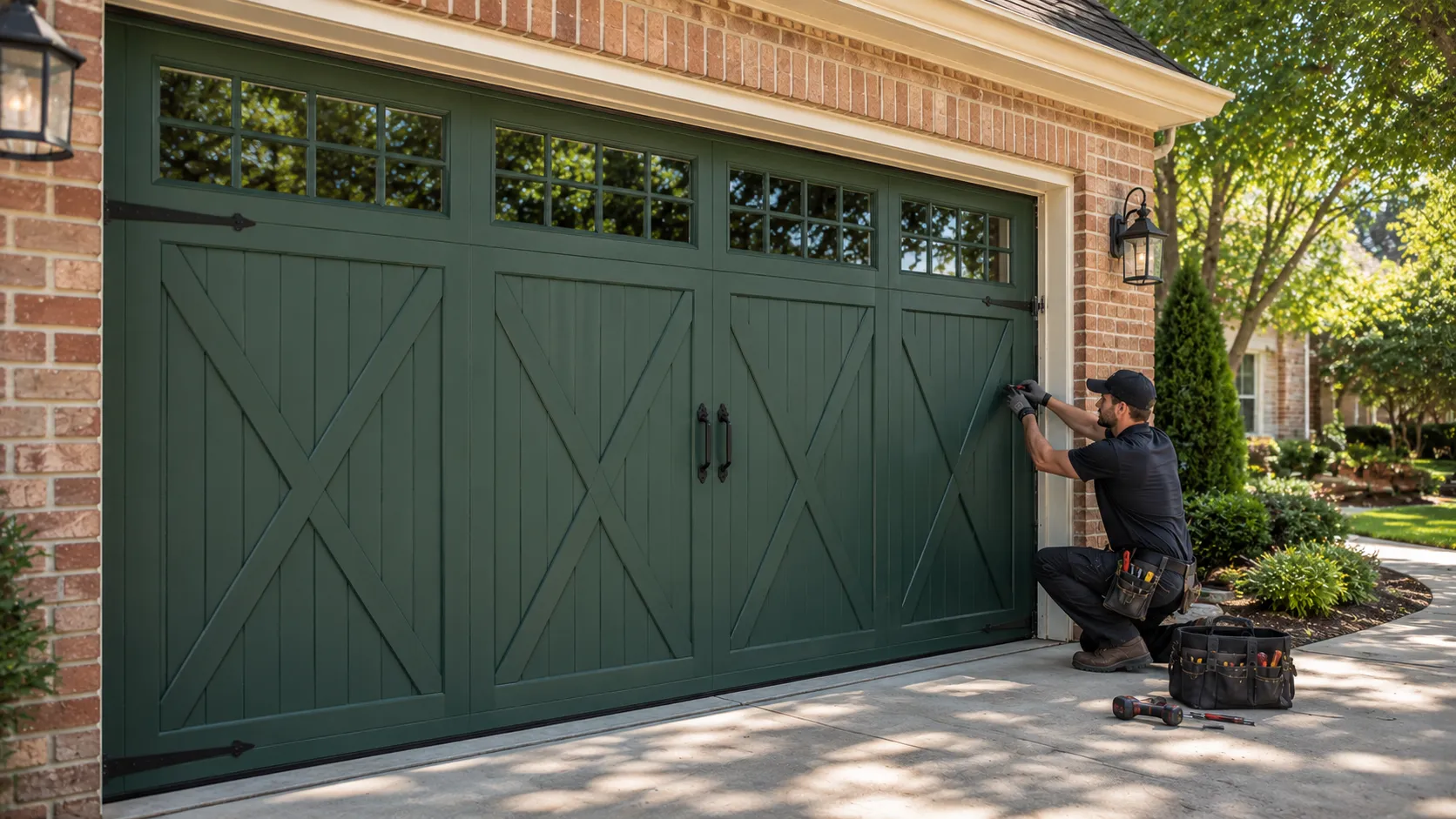
Wheaton's housing stock runs from 1938 up through 2003, with most of it dating to the 1960s and 70s, and that split matters more than people think. On the older detached garages - the kind sitting behind a house built before the 1970s boom - the door is often unheated, uninsulated, and the opener (if there's one at all) was added decades after the structure went up. Check the bottom seal first on these; it takes the brunt of ground moisture with no wall insulation buffering it.
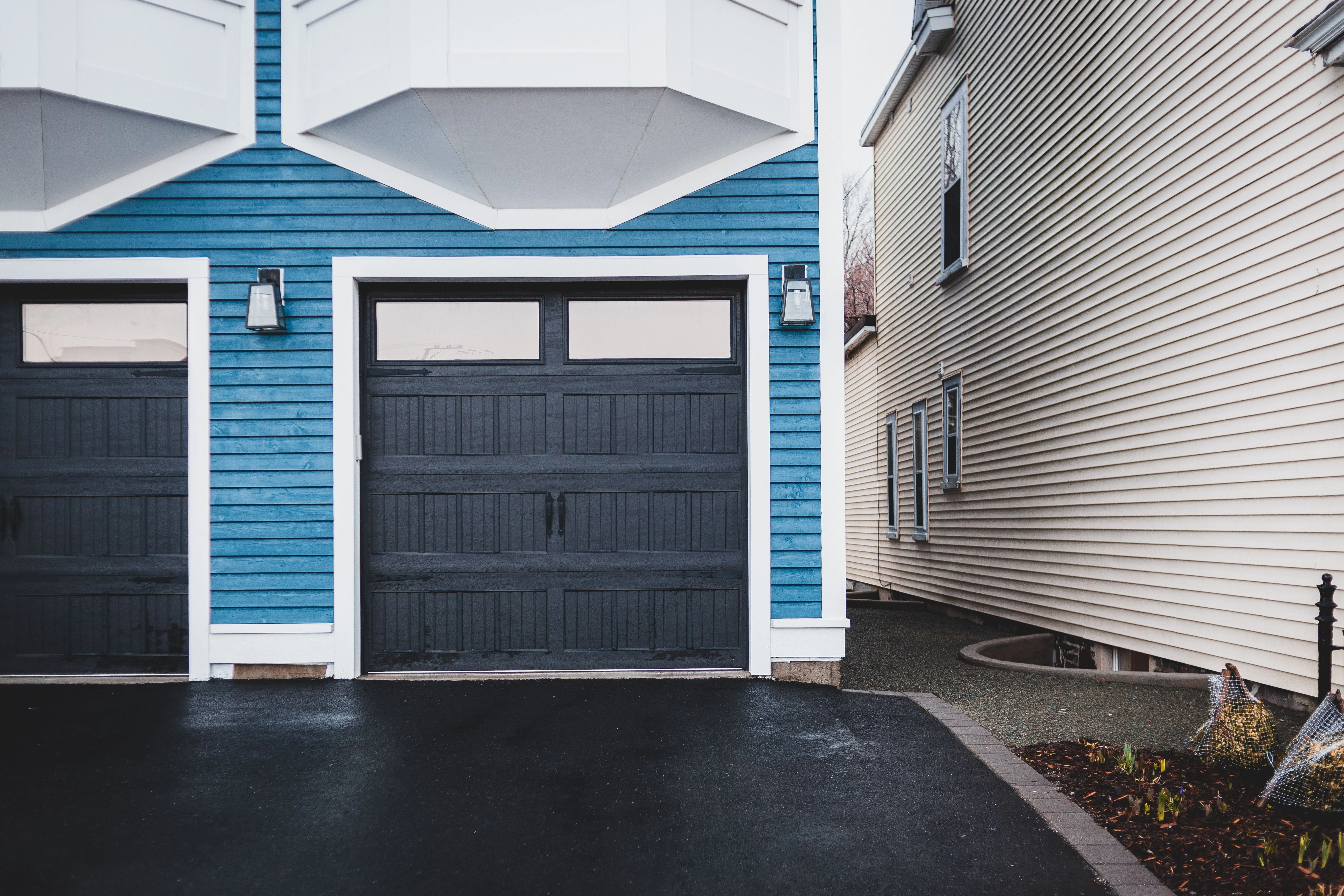
On attached garages from the 1970s-1990s wave, the door shares a wall with living space, so check the weatherstripping where the door meets the house framing - that's where conditioned air leaks out and cold air pushes in. Also look at the track mounting on both types: detached structures flex more with the ground and can pull hardware loose over the years, while attached garages built on a poured slab tied to the house foundation tend to hold alignment longer. If you've got a panel door from the 1976 median build year still on its original hardware, the springs are due regardless of which type of garage it's on.
The area
What the Weather Here Does to It
This area sits in a cold, moderate climate band, which means the yearly swing between summer heat and winter cold puts real stress on garage door steel and the springs behind it. Detached garages take this harder because there's no shared wall pulling in a bit of house heat - the door skin and the torsion spring both sit at whatever the outside air is doing, all night, every night. That means faster metal fatigue on the coldest mornings when the spring is asked to lift a door that's contracted overnight.
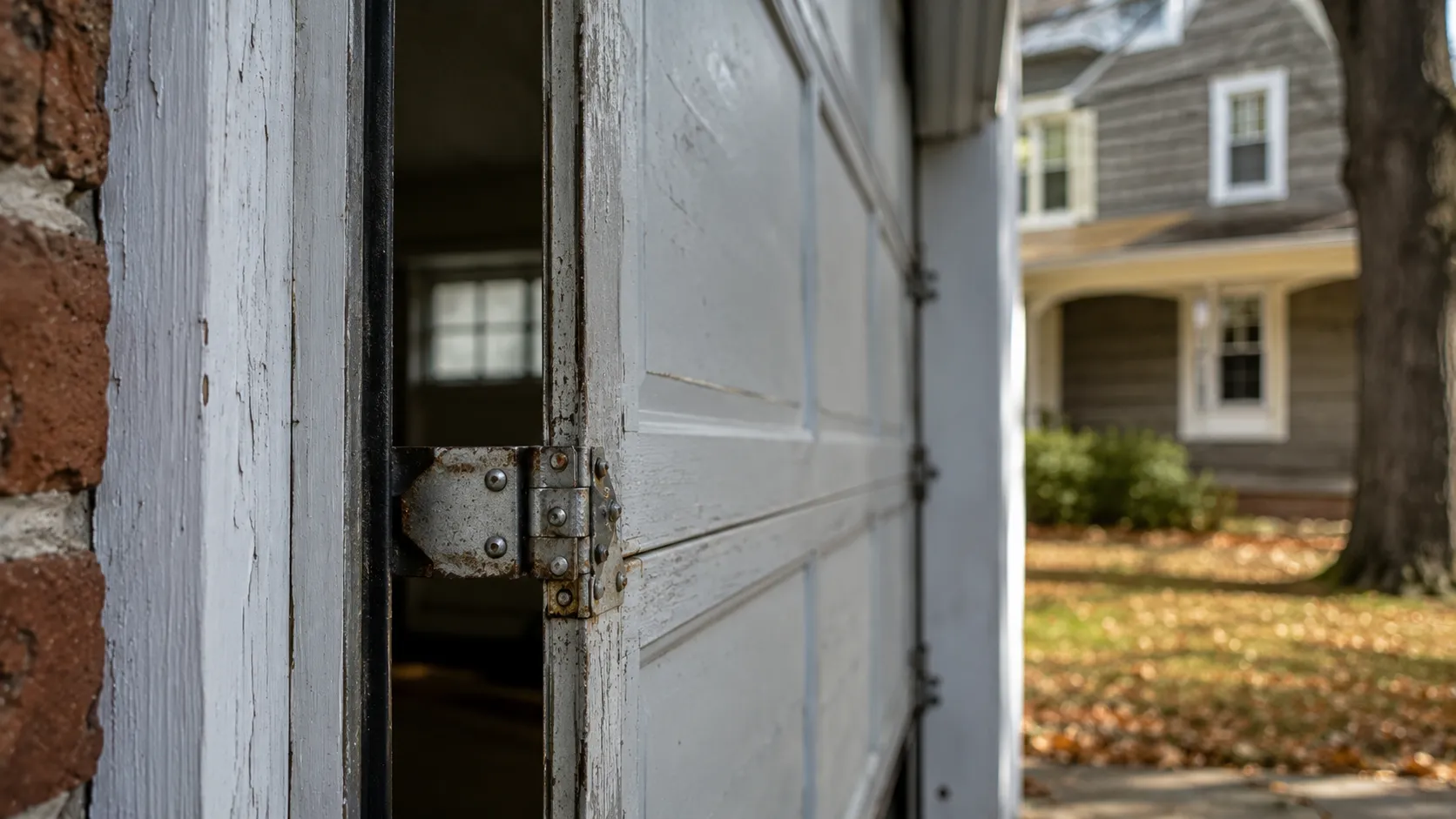
Attached garages get a partial buffer from the house itself, but the tradeoff is condensation: warm air from the home meets the cold door surface and you get moisture at the seams, which is what eventually rusts hinges and rollers on Wheaton's older 1960s-70s builds. Either way, the cold-moderate swing here is why doors on original hardware from the early build years tend to show cable fraying and roller wear well before doors of the same age in a milder climate would.
What we find
When Waiting Is Fine
Not everything needs a call right away. If your detached garage door is a little slow to open on a cold morning but closes flush and the spring still holds it level partway up, that's normal seasonal stiffness, not failure - give it a season and see if it's consistent before spending money. Same goes for a little frost on the bottom seal of an attached door; that's condensation doing what condensation does in a cold-moderate climate, not a sign the seal has failed.
Cosmetic rust on hardware that isn't load-bearing, like decorative hinges on an older detached unit, can wait too. Where we'd tell you not to wait: any grinding or popping sound from the spring area, a door that drops instead of lowering smoothly, or cables that look frayed anywhere along their length. Those are safety issues on either garage type, not maintenance items.
How we work
What Is Going On
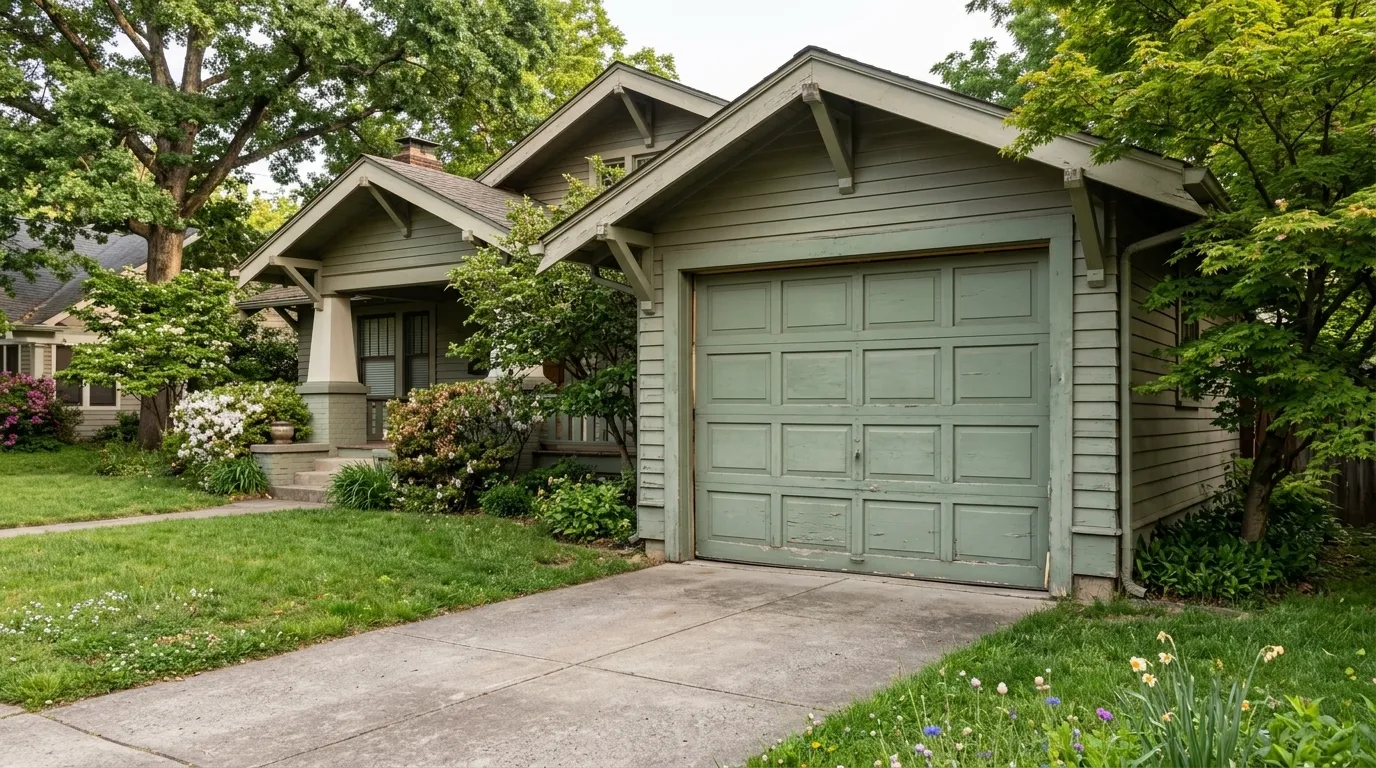
Here's the honest limitation: we can't tell you exactly what's wrong with your door over the phone, especially on the older detached garages where nobody's touched the hardware since it went in. What we can tell you is that across the roughly 542,515 households in this part of the collar suburbs, a large share of the housing dates to that 1960s-70s stretch, and that generation of doors is now old enough that springs, cables, and rollers are due for inspection regardless of whether the garage is attached or standing on its own. Detached garages tend to show hardware wear first because they take the full swing of outdoor temperature with no house buffer.
Attached garages tend to show weatherstrip and seal wear first, from the condensation cycle at the shared wall. If your door is original to a house built anywhere in that 1938-2003 range, it's worth having someone look at the spring tension and track alignment before a cold snap turns a stiff door into a stuck one.
Questions
Common questions
Does it matter if my garage is attached or detached for how often I should check the door?
Yes. Detached garages in Wheaton take the full outdoor temperature swing with no buffer from the house, so hardware like springs and rollers tends to fatigue faster. Attached garages get some heat from the house but deal with more condensation at the seals. Check detached doors for hardware wear, attached doors for seal and weatherstrip wear.
My house was built in the 1970s - should I worry about the original garage door hardware?
Given that most of the housing stock around here dates to the 1960s and 70s, a lot of original hardware is well past the point where springs and cables should be inspected. Age alone from that build era, combined with our cold-moderate climate, is reason enough to have someone check tension and wear.
Why does my attached garage door have frost or moisture on the bottom in winter?
That's condensation, common in a cold-moderate climate where warm house air meets a cold door surface. It's usually not a failure, just the seasonal cycle. It becomes a concern only if it's causing visible rust on hinges, rollers, or the bottom bracket over time.
Ready when you are
Need a garage door sorted in Wheaton?
Wheaton Garage Door Pros repairs and installs garage doors, springs and openers in Wheaton, IL and the surrounding area.