
Wheaton, IL
Garage Door Installation for Wheaton's Older Housing Stock
Wheaton homes built mostly in the 1960s-70s need doors sized and insulated for older openings and cold winters. Straight talk on installation, cost, and timing.
- Garage Door Repair
- New Door Installation
- Springs & Openers
What we do
Garage door work in Wheaton
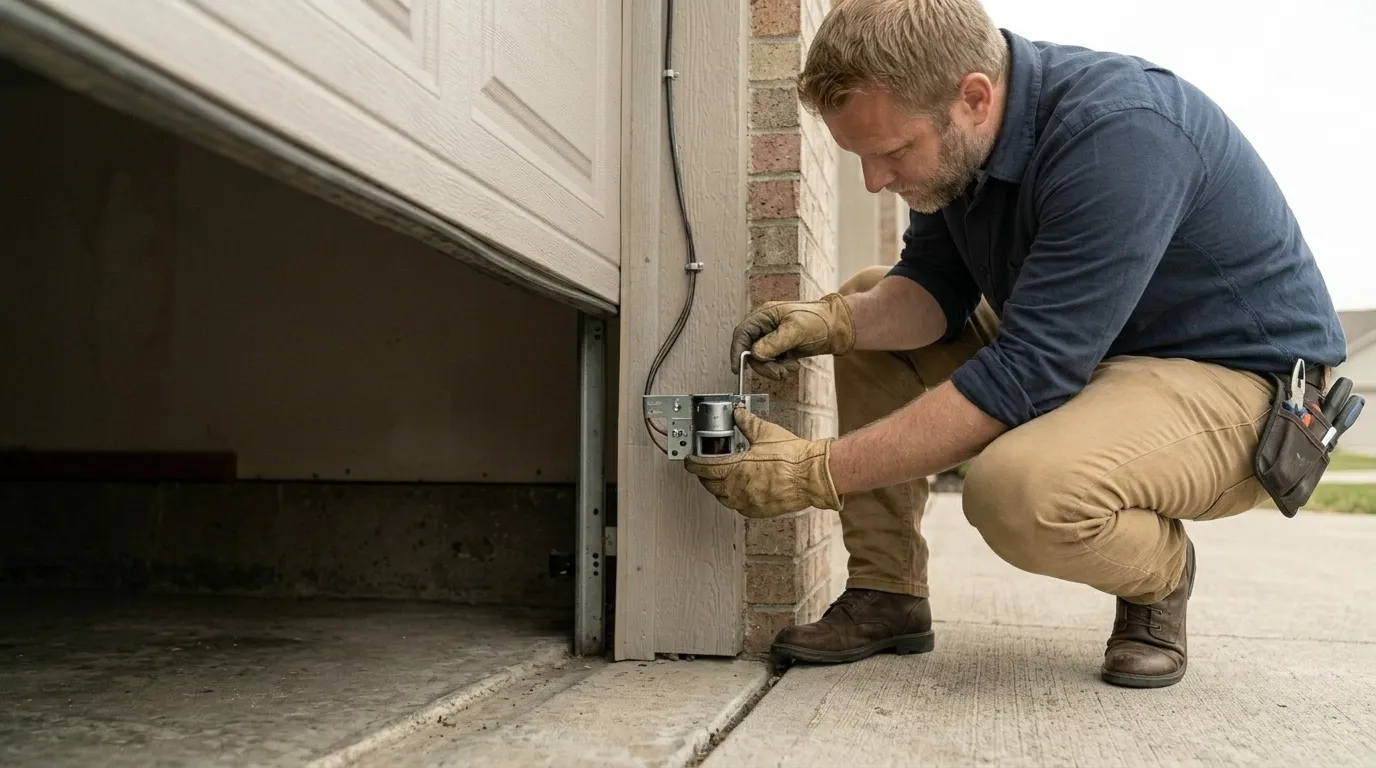
When a Wheaton Garage Door Won't Budge in the Cold
Wheaton's 1960s-70s housing stock means original torsion springs and worn openers that fail hard once winter cold sets in. Learn more →
Garage Door Service for Wheaton Homes
Garage door service for Wheaton homes built 1938-2003, where cold winters and original hardware combine to wear out springs, cables, and openers early. Learn more →Local detail
The Symptom
You're not calling because the door looks fine. You're calling because it's stuck half-open, the panels are bowing, or the opener strains and groans before giving up. In a lot of Wheaton homes, that door is original or close to it - houses here run from 1938 up through 2003, with the median build year sitting around 1976.
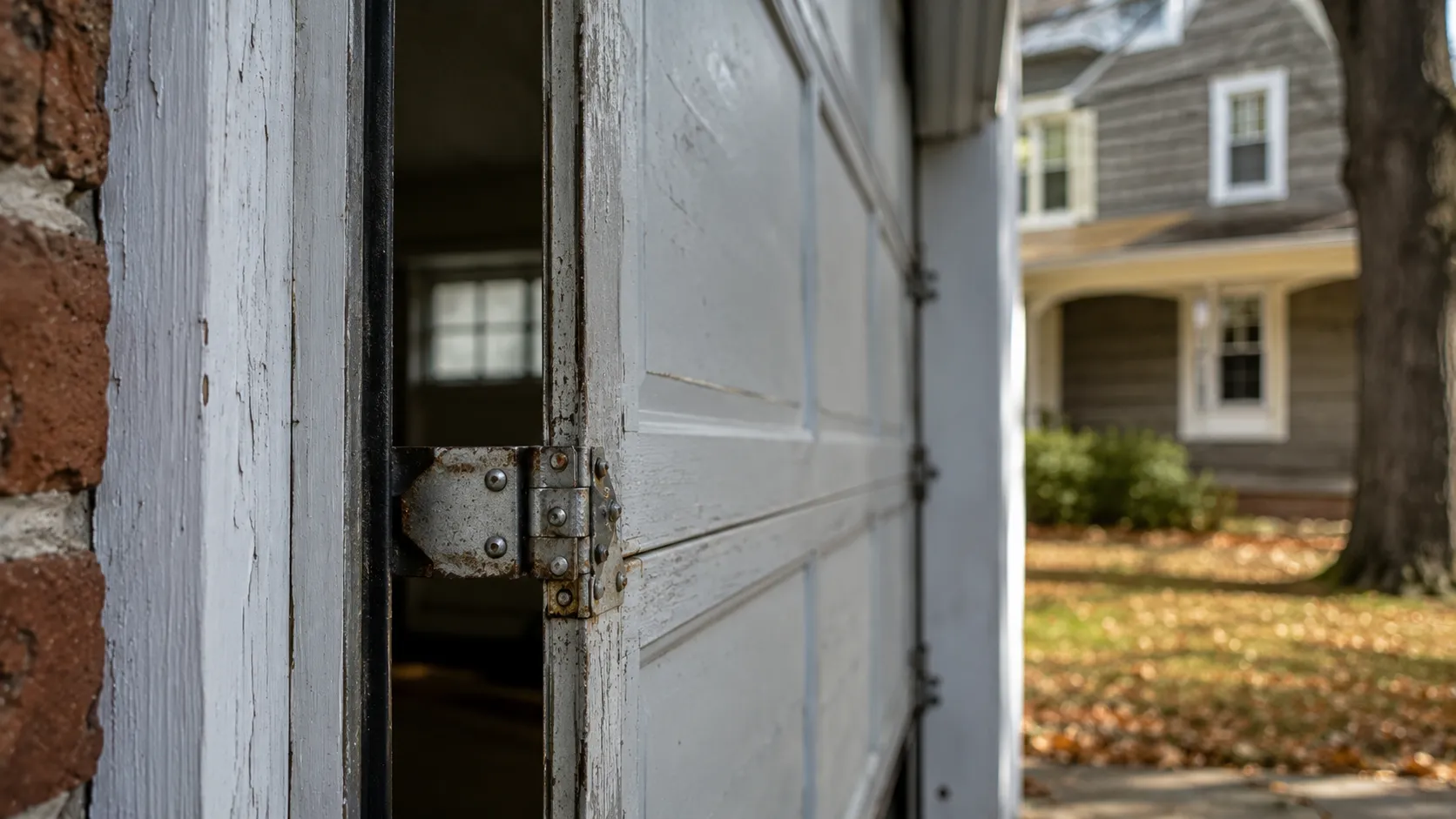
A door installed in the Ford administration wasn't built for today's openers, today's insulation standards, or Illinois winters that swing 60+ degrees in a season. Steel fatigues, wood warps, and the tracks that were fine for a lightweight single-layer door start fighting a heavier replacement panel. If your door predates 1990 and it's never been replaced, you're not looking at a repair job - you're looking at a mismatch between old framing and modern hardware that a spring adjustment won't fix.
The area
How We Fix It
A real installation starts with the opening, not the catalog. On a lot of the 1960s-70s stock common across this area, jamb width and header clearance were framed for thinner, lighter doors than what's sold today. We measure the rough opening, check headroom for the torsion spring and track radius, and confirm the slab and apron haven't settled - common on houses built before slab standards tightened.
From there we size a door and track system that fits what's actually there instead of forcing a stock size into an odd 1970s opening. We set torsion springs to the actual door weight (insulated doors run heavier than the hollow steel or wood doors many of these houses started with), align the track plumb, and program the opener's force and travel limits so it doesn't grind against old framing. One honest limit: if the header or jamb has rotted or shifted enough that it needs carpentry before a door goes in, that's outside what we do on the same visit - we'll tell you straight if you need a carpenter first.
What we find
Where This Job Goes Sideways
The most common mistake we see undone is a new door mounted on old, undersized track hardware to save money. It looks finished, but the rollers and cables were sized for the original lighter door, so within a year or two the new door sags at the corners or the opener burns out trying to lift more weight than the track was built to carry.
Another one: skipping insulation on a door going into an attached garage that shares a wall with living space, which matters more here than in a mild climate - Wheaton sits in a cold-moderate band, and an uninsulated steel door in January turns that shared wall into a cold sink. We also see openers set for the old door's travel and force left unchanged after a heavier door goes in, which trips the safety reverse constantly or, worse, doesn't trip when it should.
How we work
Why It Happens Here
This isn't a generic problem - it's tied to what got built and when. With most Wheaton-area housing dating to the 1960s and 70s, and the broader area stretching back to 1938, a huge share of doors either are original or were replaced once, decades ago, with whatever matched the opening at the time rather than current opener and insulation standards.
Add a real cold winter climate, and doors without insulation or with dried-out weatherstripping show it fast - hard starts on cold mornings, ice binding the bottom seal, openers straining against stiffened springs. Household income in this service area runs well above the regional median, and a fair number of owners here reinvest in doors as part of broader home upkeep rather than waiting for total failure - but the housing age is the real driver of the call, not the neighborhood.
Questions
Common questions
How do I know if my garage door needs replacing instead of repair?
If the door predates the 1990s, has wood panels that are warping, or the track and springs were sized for a lighter original door, repair usually just delays the same failure. We'll tell you plainly during the visit which side of that line your door is on - sometimes a repair is the right call, sometimes it's throwing money at hardware that's done.
Do I need an insulated door for my Wheaton garage?
If the garage shares a wall with living space, yes, it's worth the upgrade given the cold winters here. If it's a detached garage with no heated space behind it, insulation matters less and you can save money going with a standard steel door instead.
Will a new door fit my old opening without carpentry work?
Usually yes. Most 1960s-70s openings accept a modern door with the right track and hardware sizing. It's only an issue if the jamb or header has settled or rotted, which we check before quoting the job, not after.
Ready when you are
Need a garage door sorted in Wheaton?
Wheaton Garage Door Pros repairs and installs garage doors, springs and openers in Wheaton, IL and the surrounding area.