
Bellwood, Wheaton IL
Garage Door Service for Bellwood, IL
Serving Bellwood's 1950s-era homes from our Wheaton shop, 12 miles out. We know the extension-spring, low-headroom setups this area's housing stock still runs on.

- Garage Door Repair
- New Door Installation
- Springs & Openers
Local detail
This Area's Housing
Bellwood's homes cluster around a median build year of 1955, which puts this area a couple decades ahead of the broader service territory we cover out of Wheaton, where the median build year runs closer to 1976. That gap matters. Across the wider area, housing stock spans 1938 to 2003, with a lot of it dating to the 1960s and 70s. Bellwood sits on the older end of that range, and it shows in what's actually installed on these garages.
With roughly 6,103 households in this area and a median income of $76,990, you're looking at a mix of long-owned homes and newer buyers taking on a house that's been through a few decades of weather and a few owners' worth of quick fixes. A lot of these garages still have their original framing and header height, even where the door itself has been swapped out once or twice.
We come out from Wheaton, about 12 miles away, so we're not a local depot with a truck sitting on standby here. What we do have is familiarity with what a 1955-built garage tends to need, because it's a different job than the newer construction closer to our shop.
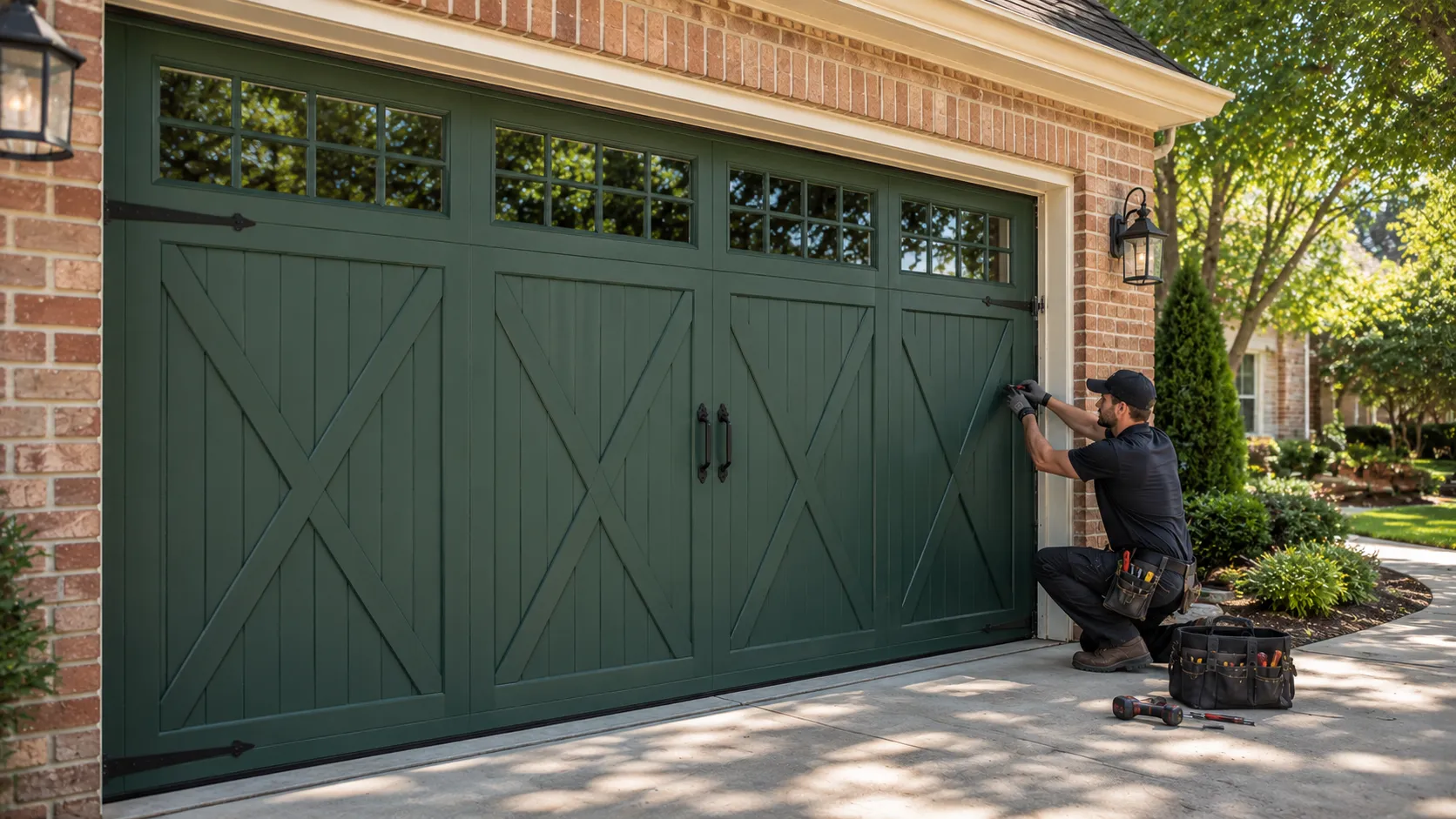
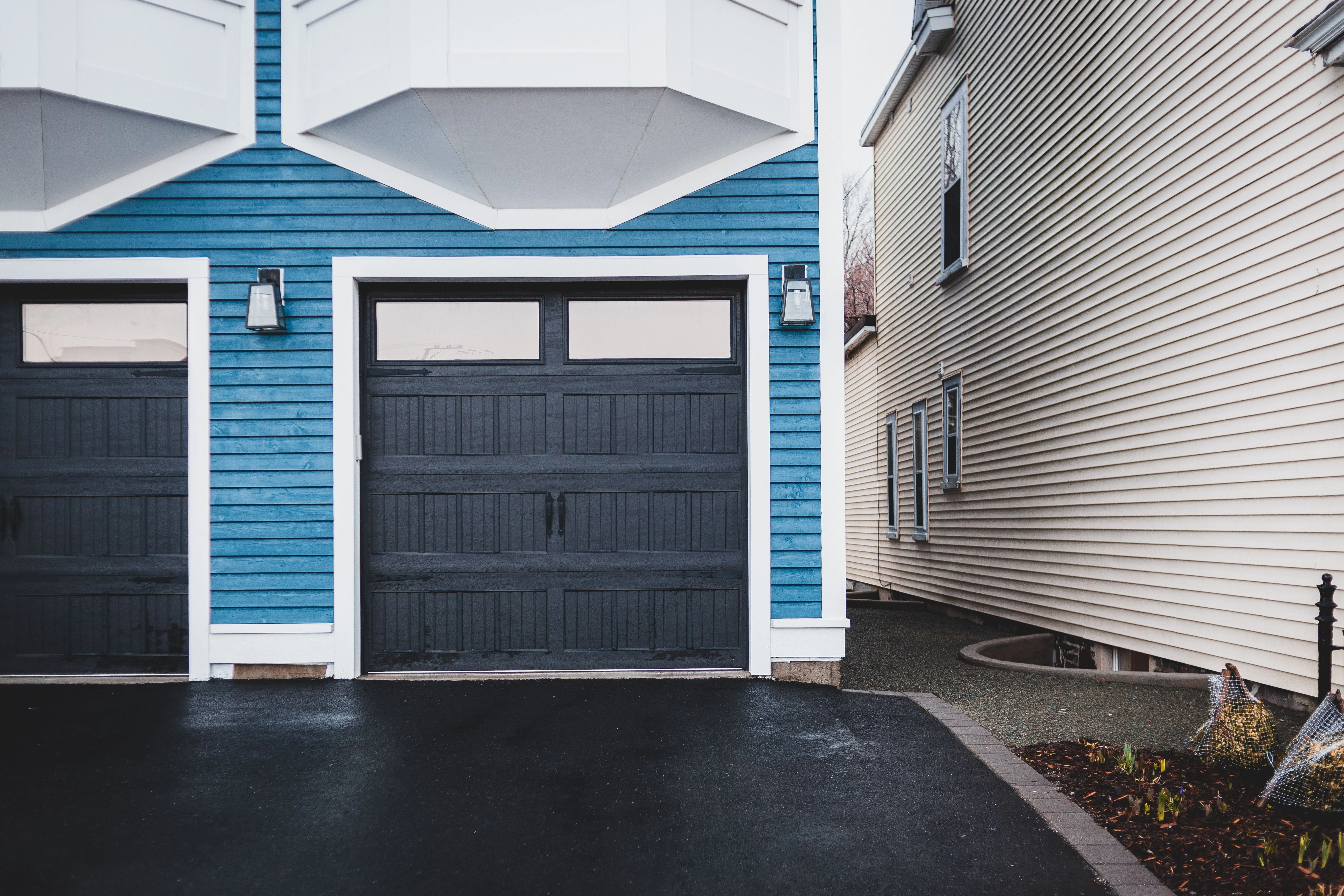
The area
What the Housing Means for Your Door
A garage built in 1955 usually means a narrower opening than what you'd get in a house from the 70s or later - often 8 feet wide instead of the 9 or 16 feet common in newer construction. That narrower frame limits your options if you're replacing a door outright; not every modern door ships in that width without a special order.
Headroom is the other issue. Older garages in this area were often framed with less clearance above the door opening, which rules out standard torsion setups and pushes you toward extension springs mounted along the horizontal track, or low-headroom torsion kits that need more careful adjustment. If a spring has failed and someone tells you it's a five-minute swap, ask what kind of spring they found up there first.
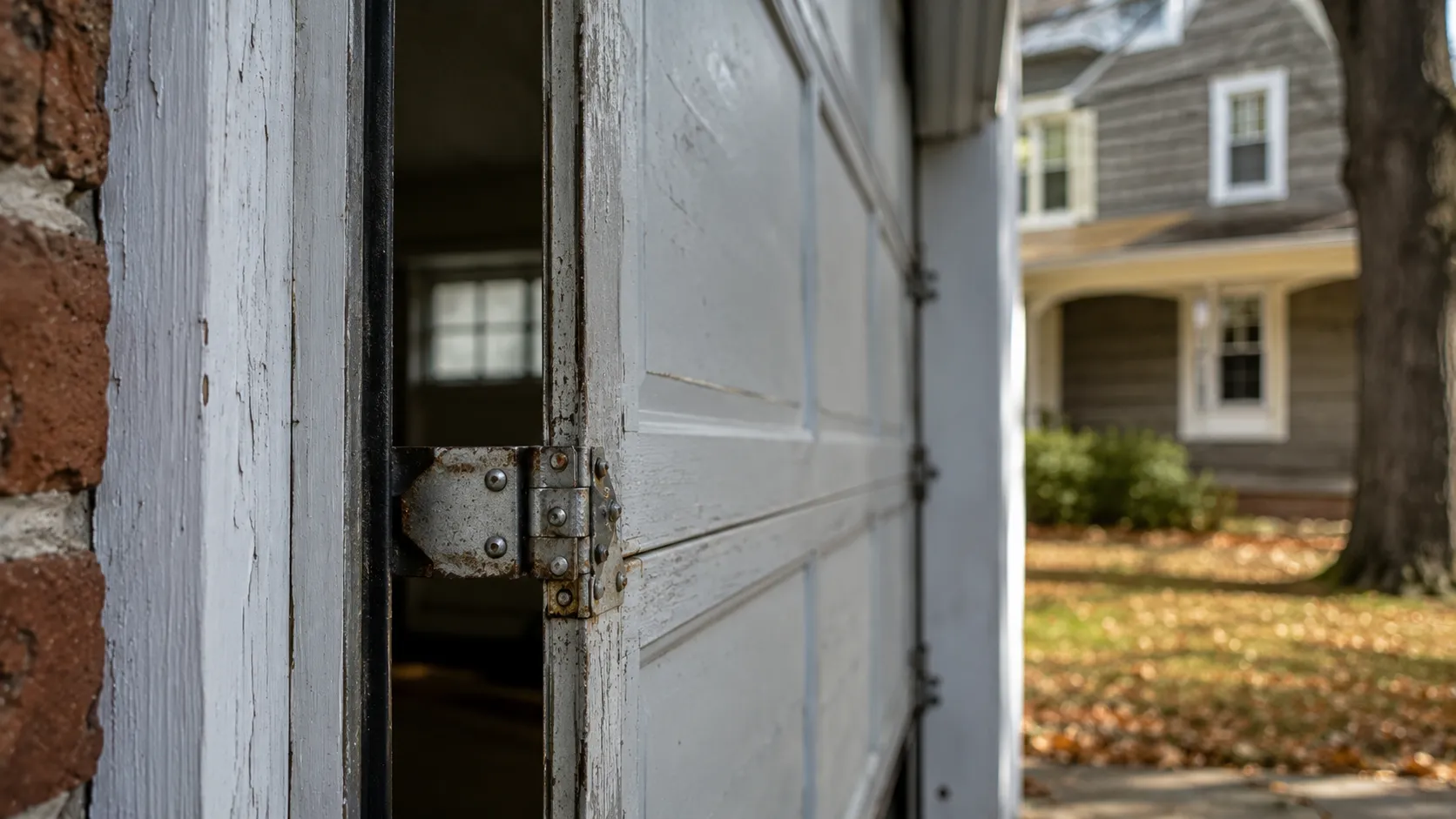
Cold winters do their own work on top of the age of the hardware. Steel tracks and cable ends that have been through 60-plus years of temperature swings in this climate band get brittle in ways that aren't always visible until a cable snaps under tension. None of this means the door is a lost cause - it means the fix has to match the house, not a generic parts list.
What we find
What We Do Most in This Area
Given the age of the housing stock, the calls we get from Bellwood skew toward spring replacement on original or near-original extension setups, roller swaps where the track has worn a lip into itself, and opener retrofits onto doors that were never wired for one in 1955. We also see a fair number of panel replacements where a single section has rusted through or taken a hit, and the rest of the door is sound enough to keep.
Because the openings here often run narrower than newer builds, we spend more time here matching replacement doors to an existing frame than we do on the newer side of our territory, where a standard width is almost always the answer. Cable and track alignment work on older low-headroom setups is common too - these systems drift out of adjustment more easily than a modern torsion system, and a door that's binding on one side is usually a track problem, not a spring problem.
We travel out from Wheaton for these calls, so scheduling is built around the drive, not a local stand-by crew.
How we work
What We Do Not Do
We don't do structural framing work. If a garage's header or jamb has rotted or settled to the point that a new door won't seat properly, that's carpentry, and we'll tell you so rather than force a door into an opening that isn't square. We also don't stock every low-headroom or extension-spring part on the truck for same-day install - some of the older hardware sizes take an extra day or two to source, and we'd rather quote that honestly than promise a fix we can't finish that afternoon.
We're not a Bellwood-based operation with a depot around the corner; we run this territory out of Wheaton, 12 miles off. That means we plan the visit, we don't drop by on a whim. And if a door has failed badly enough - rotted panels, a bent track that's been forced back into shape more than once, an opener that's outlived its motor - we'll say when replacement is the better money than another repair, rather than run up a bill patching something that's done.
Service areas
Other areas we cover near Bellwood
Questions
Common questions
Why does my garage door use extension springs instead of torsion springs?
It usually comes down to when the garage was built. A lot of Bellwood's housing dates to around 1955, and low headroom above the door opening from that era often ruled out a standard torsion setup. Extension springs mounted along the horizontal track were the common workaround, and many of those original configurations are still in place today.
Can you replace my door with a wider one?
Sometimes, but not always without extra work. Homes from this period often have narrower openings, around 8 feet, than newer construction. A wider door usually means reframing the opening, which is carpentry work we don't do ourselves - we'll tell you upfront if that's what's needed before you buy a door that won't fit.
Do you have a shop in Bellwood?
No. We run out of Wheaton, about 12 miles from Bellwood, and drive out for scheduled calls. We're not a stand-by local crew, so we plan visits rather than dropping by same day, and some older hardware parts take a day or two to source.
My cable snapped overnight in the cold - is that normal for a house this age?
It happens more on older systems. Steel cable and track hardware that's been through decades of cold-weather temperature swings in this area gets brittle, and a sudden cold snap is often what finally breaks a cable that was already fatigued. It's a common failure point on 1950s-era setups specifically.
Ready when you are
Need a garage door sorted in Wheaton?
Wheaton Garage Door Pros repairs and installs garage doors, springs and openers in Wheaton, IL and the surrounding area.