
Guide
Weather Seals and Draughts in Wheaton Homes
Wheaton homes built mostly in the 1960s-70s feel draughts at the garage door first. Here's what to check, what the cold does, and what can wait.
Local detail
What to Check
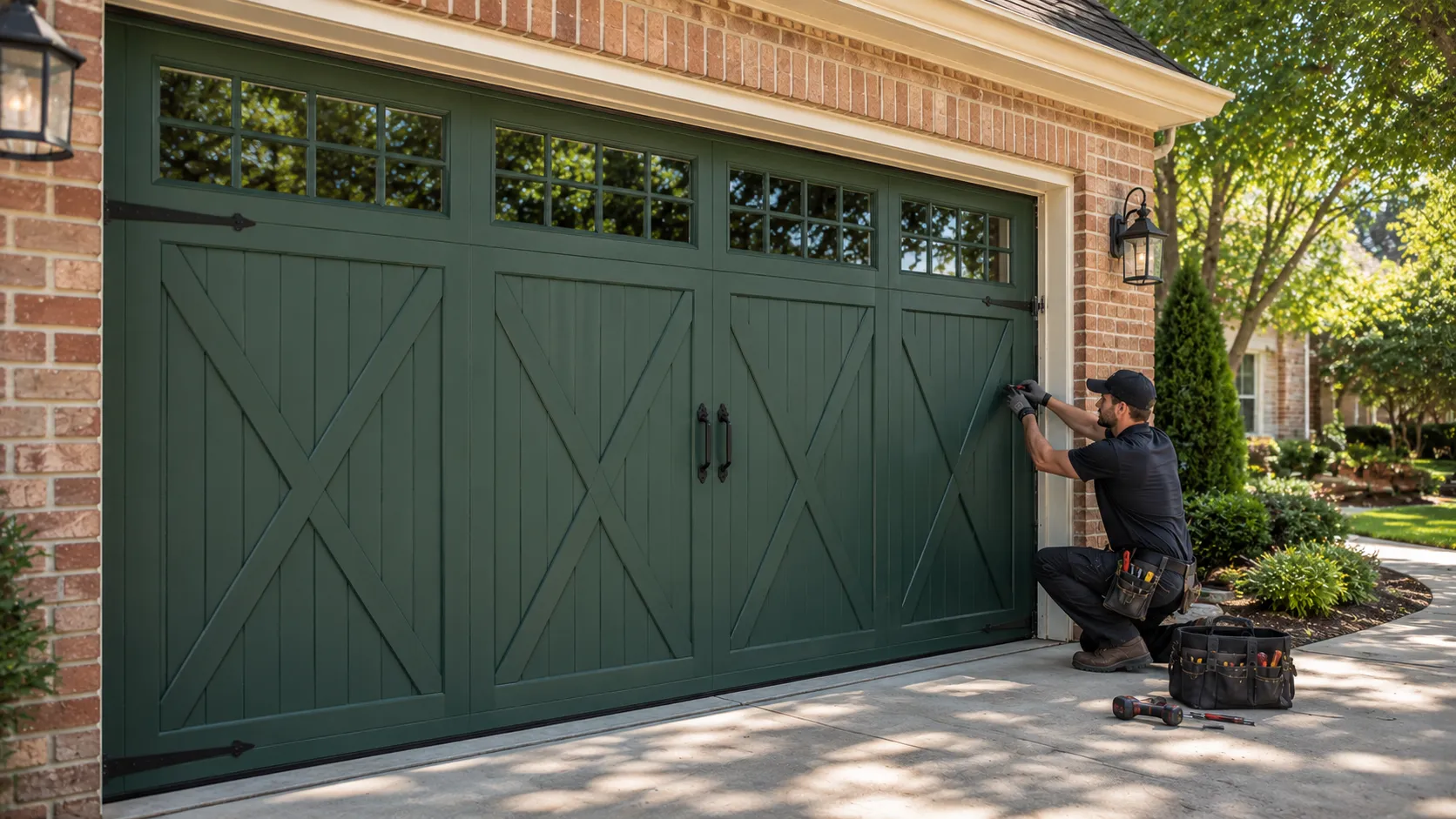
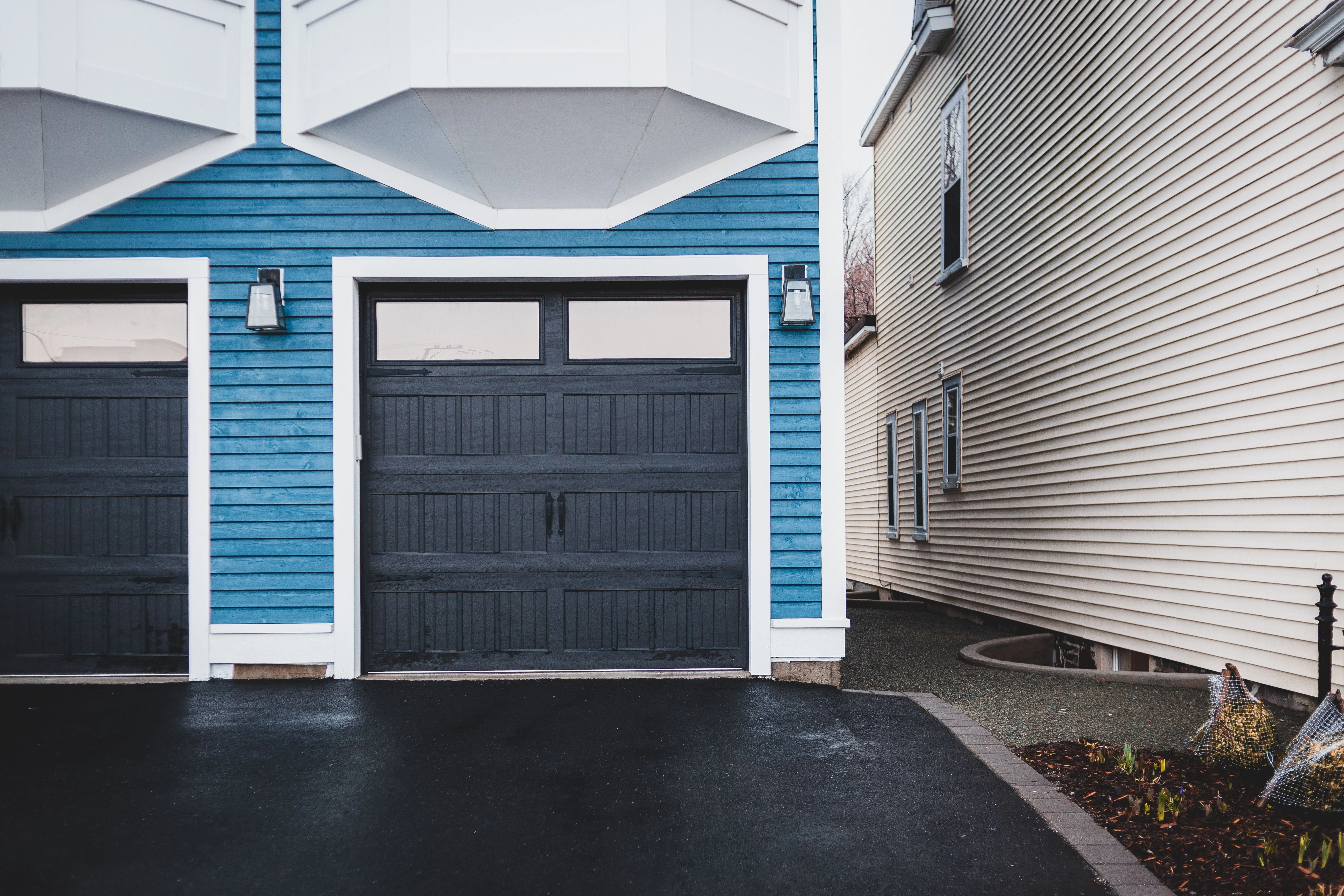
Start at the bottom seal, the long rubber strip pressed against the slab. On a house from the 1960s or 70s stock that makes up most of this side of Wheaton, that seal has usually been replaced once or twice already, and the track it sits in can be bent or packed with grit from the driveway. Run your hand along the bottom edge with the door down - if you feel air moving, or see daylight at the corners, the seal has flattened out or shrunk away from the concrete.
Next check the side and top seals where the panel meets the frame. Houses built between 1938 and 2003 in this area, median build year 1976, often have jambs that have shifted slightly over five decades of freeze-thaw, so the seal may look fine but no longer sit flush. Push on the door from outside at the top corners - if it flexes more than a little, the weatherstrip retainer has probably worked loose.
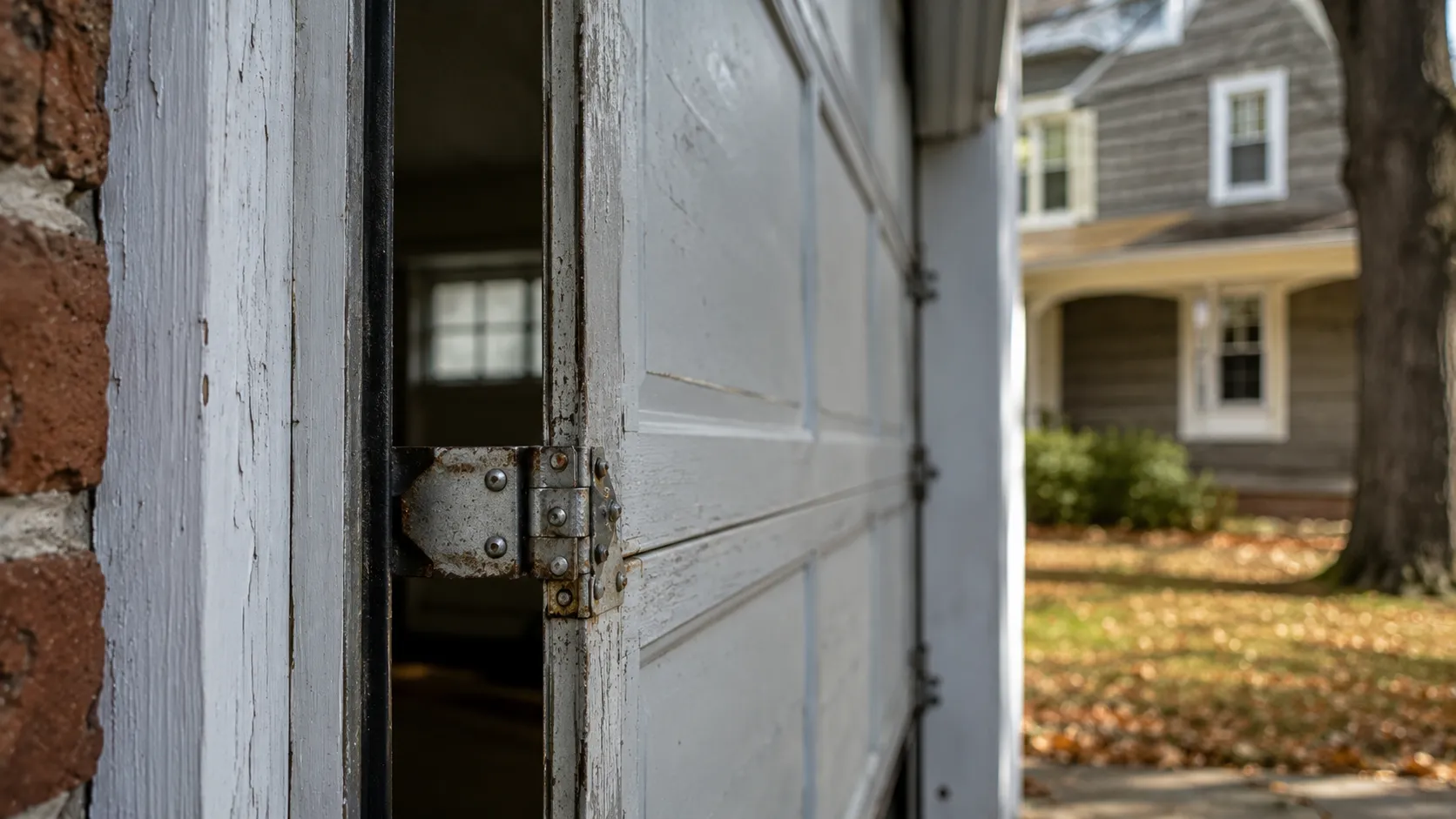
Last, look at the panel joints themselves on older steel doors from that era. Rust bloom at a seam is often the first sign that moisture has been getting past the seal for a while, not just condensation.
The area
What the Weather Here Does to It
Wheaton sits in a cold, moderate climate band, and that means the garage door seal system does two different jobs across the year: it has to flex without cracking through winter cold and hold shape through summer heat and humidity. Vinyl weatherstrip that's been on a door for ten or fifteen winters starts to lose flexibility and gets brittle right at the point of contact with the slab, which is exactly where you need it most.
On a lot of the 1960s and 70s houses in this area, the original wood jamb has settled just enough that the door and frame no longer line up the way they did when the house was new. That gap doesn't matter much in July. In January it's where the cold air gets in, and it's often the reason a garage feels colder than the rest of the house even with the door shut tight.
We don't chase every draught with insulation or foam - sometimes the honest fix is a new bottom seal and a properly adjusted track, not a bigger project.
What we find
When Waiting Is Fine
A little cold air along the bottom edge on a January morning isn't an emergency. If the door still opens and closes evenly, the seal is doing most of its job, and the draught is minor, it's reasonable to wait until you're doing other maintenance to swap the weatherstrip. Vinyl seals are cheap and take a few minutes to replace once you've got the size.
Same goes for a top seal that looks a little worn but isn't letting in visible daylight. On the older housing stock common in this area, a slightly imperfect seal has usually been that way for years without causing real damage - it just means the garage runs a few degrees colder than it could.
Where we'd tell you not to wait: if the gap has gotten bigger over a season, if you're seeing water pooling instead of just air movement, or if a panel is starting to rust at the seam. Those point to a seal that's failed completely, not one that's just old, and letting it go through another Wheaton winter usually makes the fix bigger, not smaller.
How we work
What Is Going On
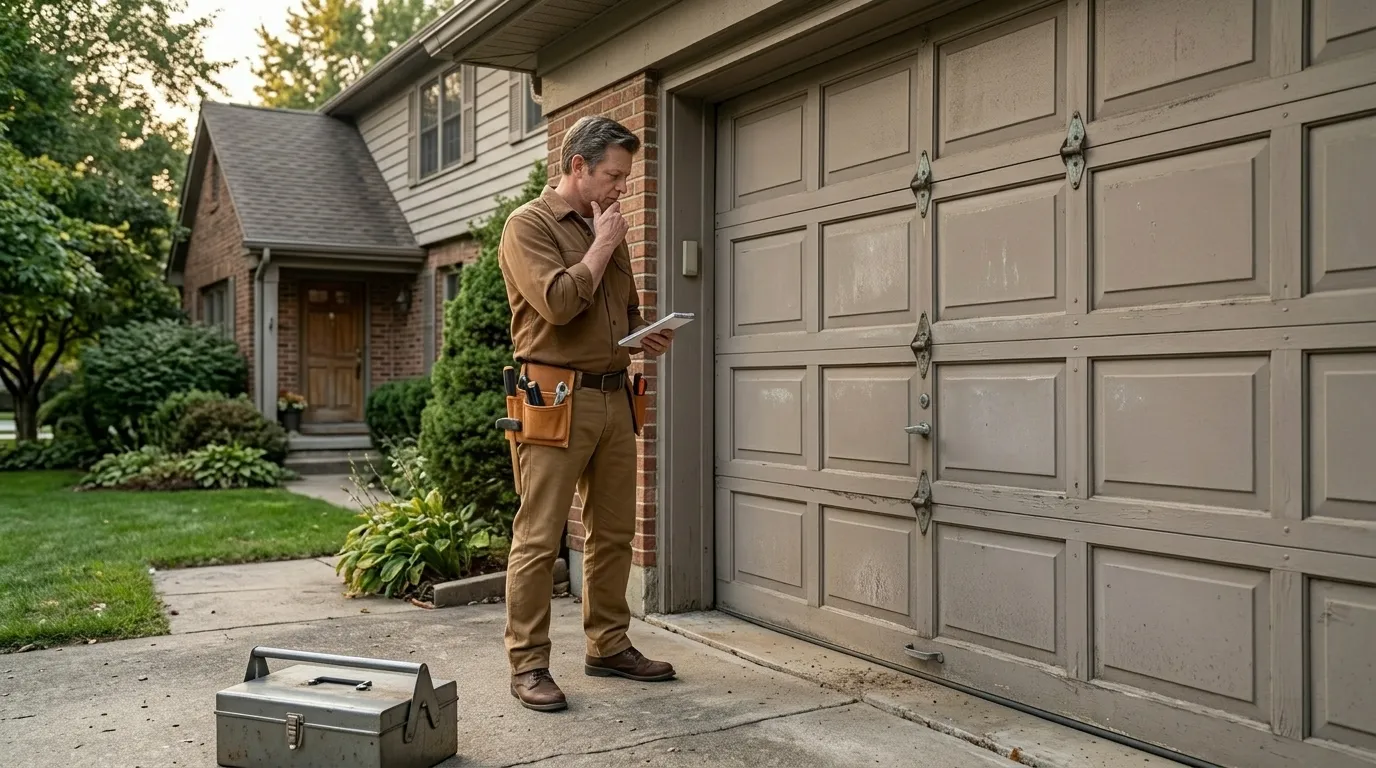
Most of what we see in Wheaton isn't a broken door - it's a fifty-year-old jamb and an original-era seal trying to do a job neither was built for anymore. The homes here, mostly built in the 1976-median stretch of the last century, weren't sealed with the materials available today, and nobody expects a strip of vinyl from a decade ago to still be pliable in a cold winter.
The fix is usually straightforward: new bottom seal, sometimes a retainer or track adjustment, occasionally a section of side weatherstrip if the frame has shifted enough. It's rarely the whole door.
We don't push full door replacement to solve a draught. If the panels are sound and the opener works, seals and adjustment cost a lot less and solve the actual problem. Full replacement only makes sense when the door itself, not the trim around it, has failed.
Questions
Common questions
Why does my garage feel colder than it used to, even with the door closed?
On houses built in the 1960s-70s common in this area, the jamb has often settled slightly over the decades, opening a small gap the original weatherstrip no longer covers. Combined with vinyl seals that stiffen with age, this lets cold air through even when the door looks fully shut.
How often should I replace the bottom seal in this climate?
There's no fixed number in the cold, moderate band Wheaton sits in, but vinyl seals that have gone brittle or cracked at the point of ground contact should be swapped rather than left. Check it each fall before the cold sets in, since that's when a bad seal becomes noticeable.
Can a draught mean something more than a worn seal?
Sometimes. If the gap has grown over a season, or you see rust at a panel seam near the bottom edge, moisture may have been getting past the seal for a while. That's worth a look, but a simple draught with no rust or growing gap is usually just an old seal.
Ready when you are
Need a garage door sorted in Wheaton?
Wheaton Garage Door Pros repairs and installs garage doors, springs and openers in Wheaton, IL and the surrounding area.