
Prospect Heights, Wheaton IL
Garage Door Repair for Prospect Heights Homes
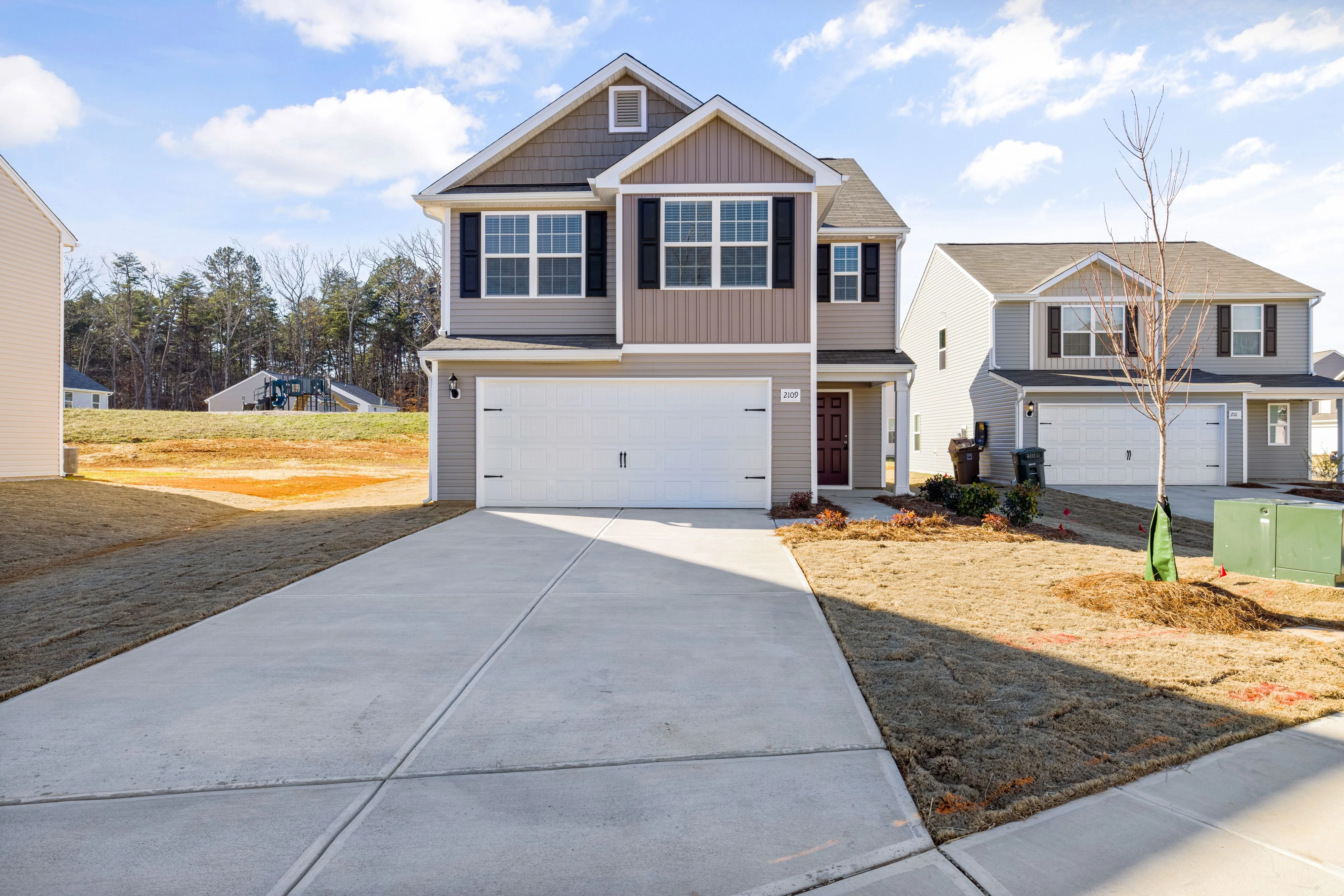
Serving Prospect Heights homes built mostly around 1976, 19 miles from our Wheaton shop. We fix the springs, openers and worn tracks that come with that era of construction.
- Garage Door Repair
- New Door Installation
- Springs & Openers
Local detail
This Area's Housing
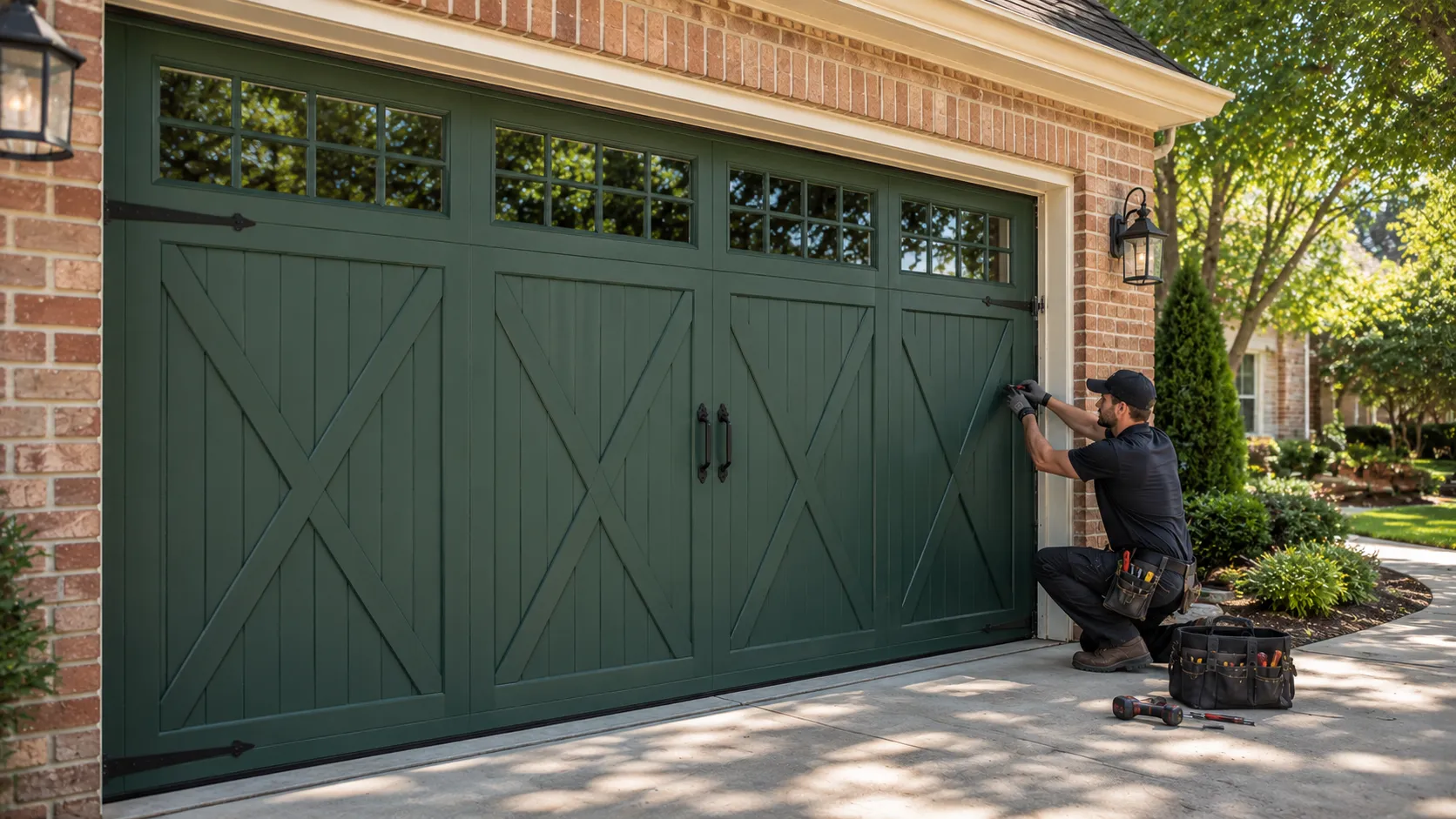
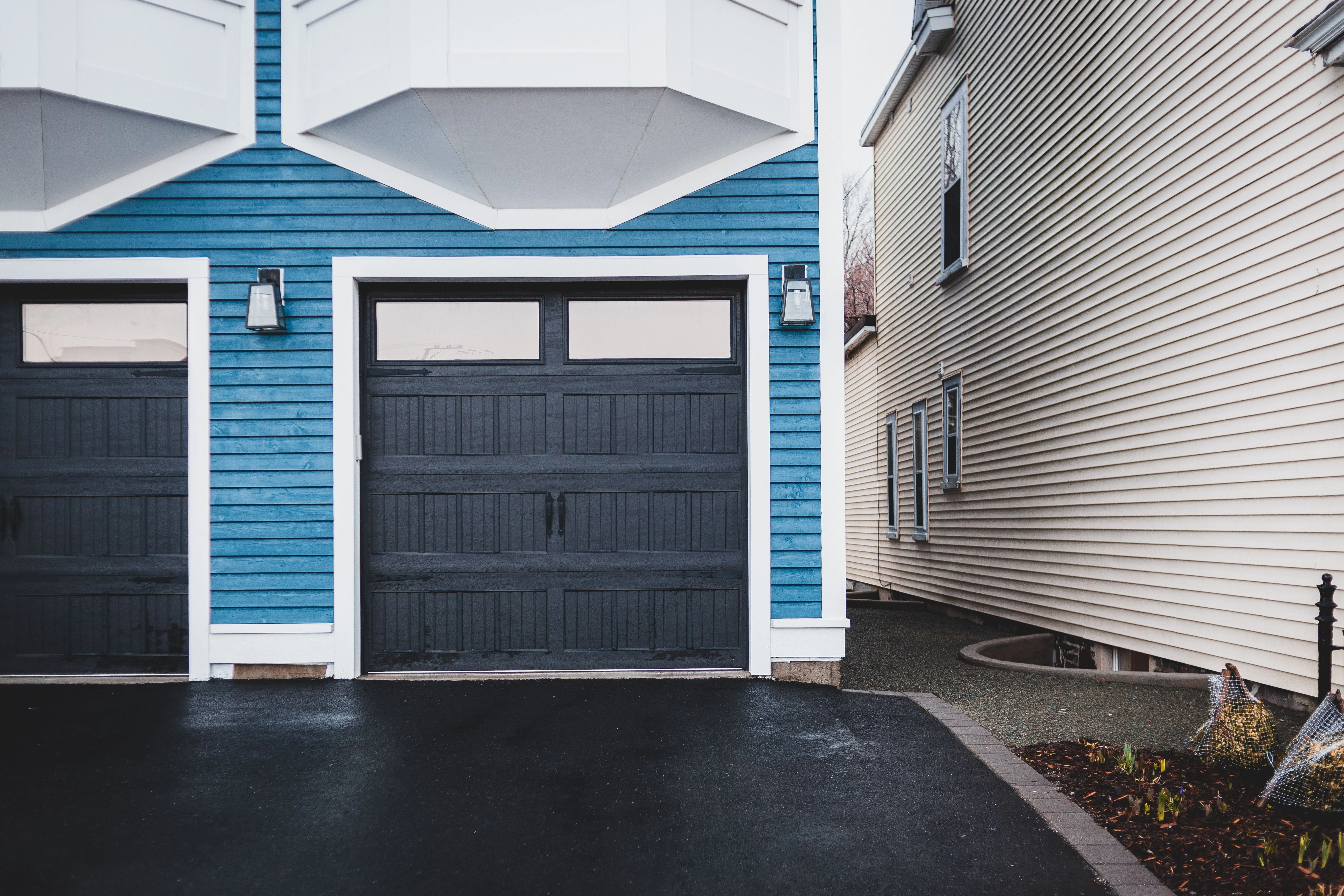
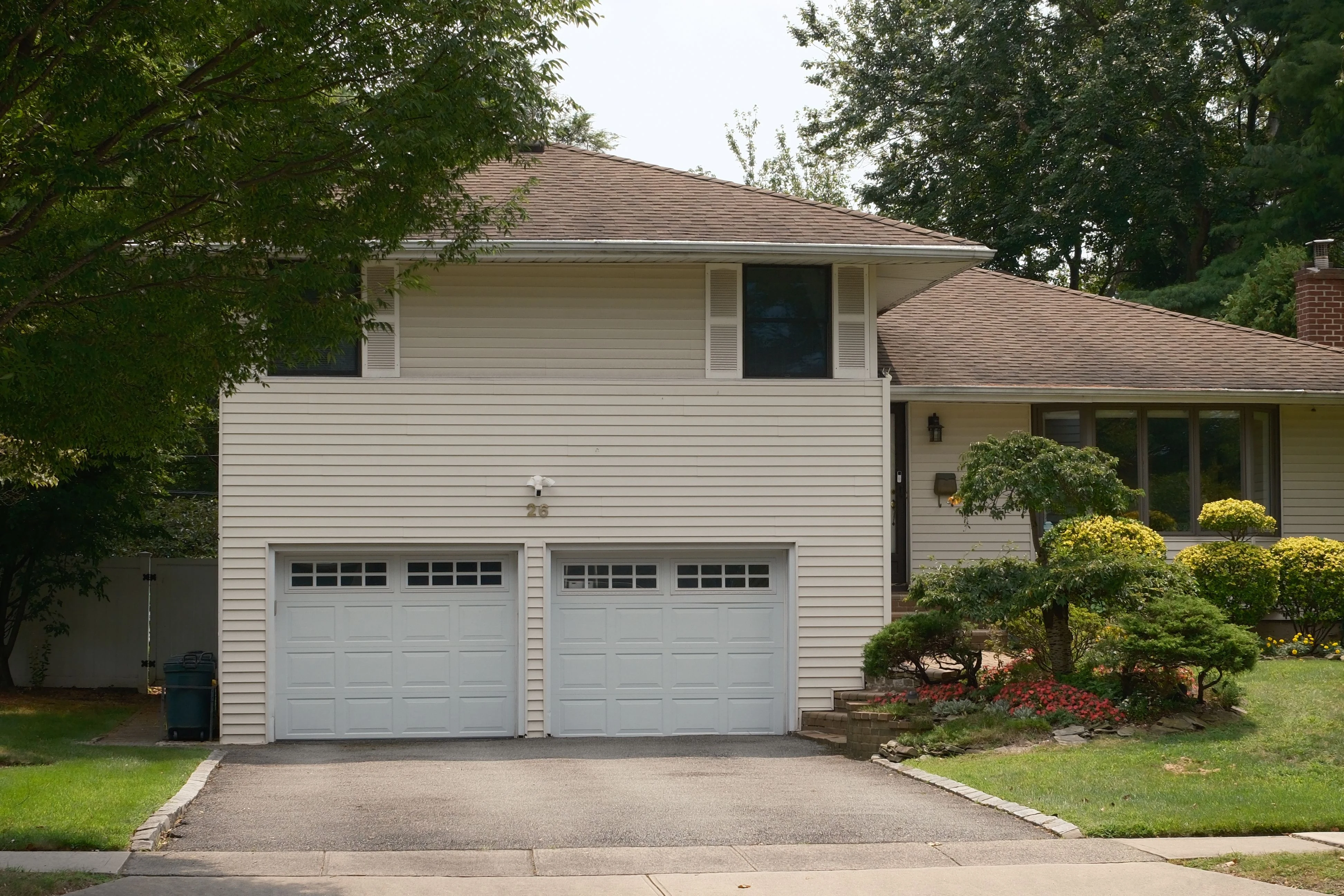
Prospect Heights sits about 19 miles from our shop in Wheaton, and the houses here cluster tightly around a median build year of 1976. That's a specific decade of construction: attached garages built as standard, but with the door hardware and header framing that era's builders used before insulated steel doors became common. With 6,249 households in the area, most residents are living in a home built within a fairly narrow band of years rather than a mix spanning generations. Median household income here runs $91,599, which tells us most owners are maintaining original construction rather than tearing out and rebuilding garages from scratch.
That combination - one dominant building era, moderate-cold winters - shapes almost everything we see on a service call out here. It's not a guess; it's what the housing stock actually is. When we get a call from this area, we come prepared for mid-1970s framing and the hardware that went with it, not for a random mix of eras.
The area
What the Housing Means for Your Door
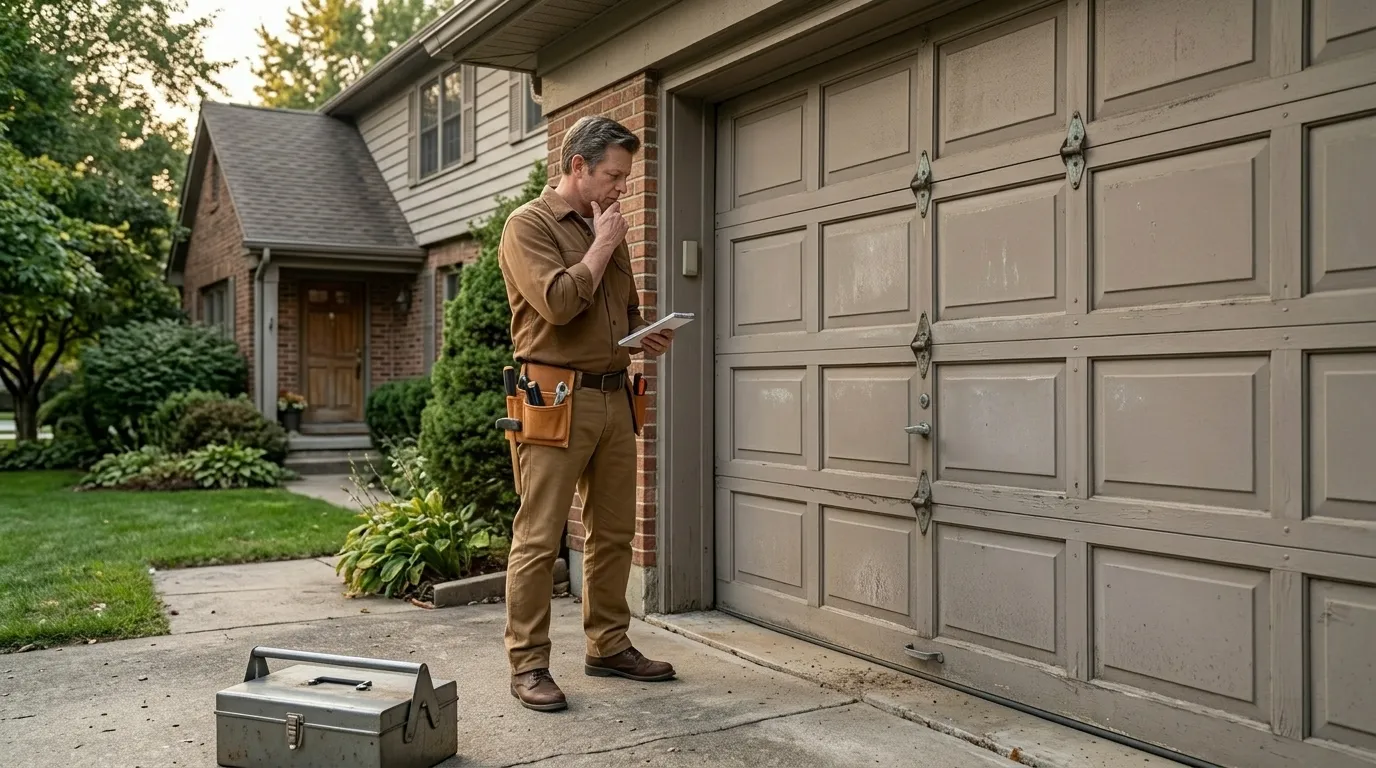
A garage built around 1976 usually shipped with a steel sectional door, but not always insulated, and the opener - if there even was one from the factory - was likely added later as a retrofit. That means we routinely find mismatched brackets, extension springs bolted to framing that was never meant for a torsion conversion, and rollers original to the house running in tracks that have shifted with 45-plus years of seasonal freeze and thaw. In a cold-moderate climate, uninsulated panel doors from that build era let a lot of heat out of an attached garage, which matters if the house has living space above or beside it.
The wood jambs common to 1970s construction also swell and shrink more than the vinyl or composite trims used today, so weatherstripping wears unevenly. None of this is unique to any one house on the block - it's the era, not the address. If your door still runs on its original springs and opener, you're statistically closer to a failure than a homeowner in a house built in the 2000s.
What we find
What We Do Most in This Area
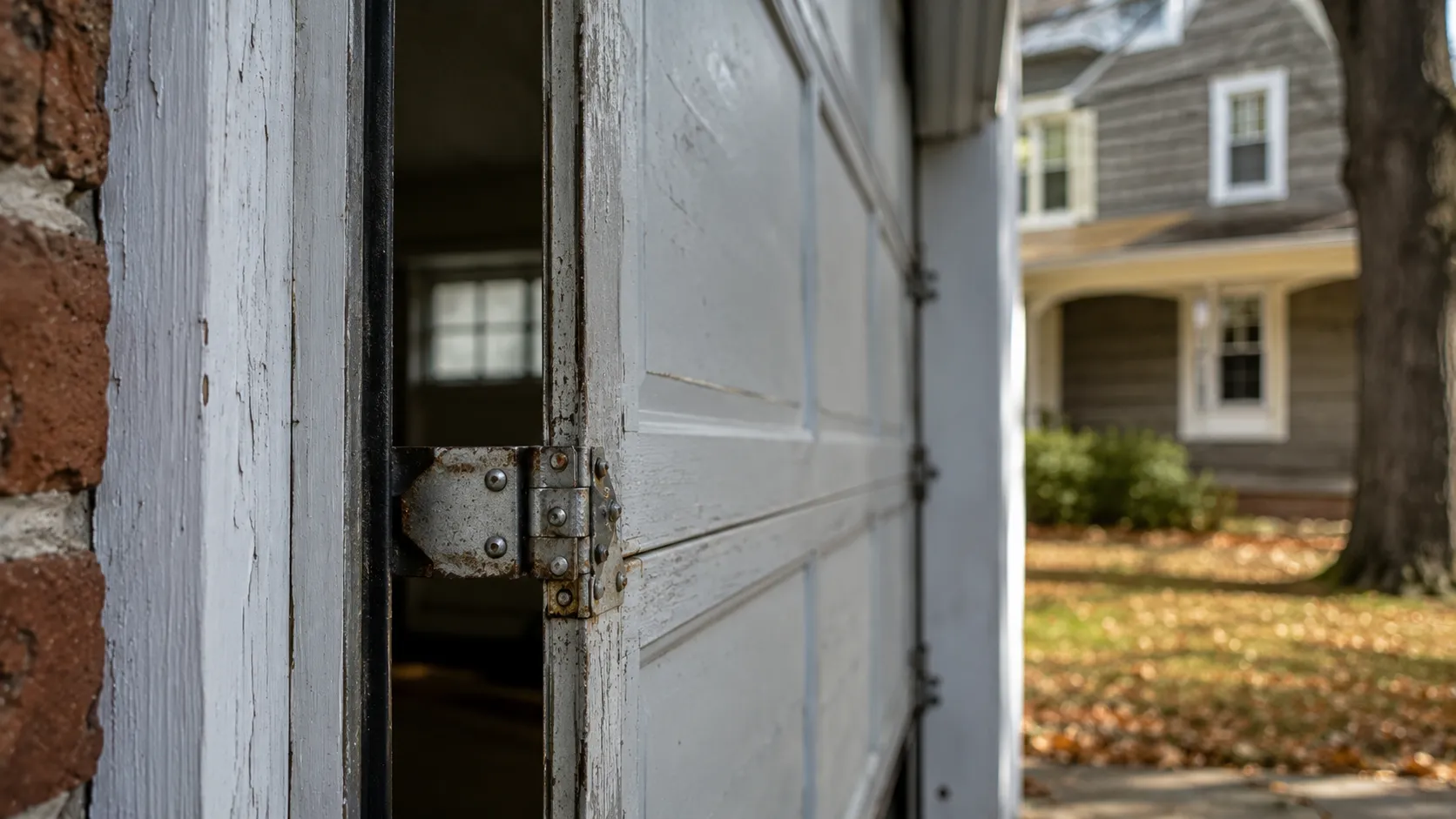
Given the housing here, the calls we get most are torsion spring replacements on doors that were converted from extension springs decades ago, and full door swaps where the original steel panel has rusted through at the bottom section - a common failure point on doors this age. We also do a fair number of opener replacements, since a 1970s-era garage frequently has its second or third opener already, and the newer units need updated wiring and sensor brackets that the original framing wasn't drilled for.
Insulated door upgrades come up often too, since an uninsulated original door in a cold-moderate climate loses noticeably more heat than a foam-core replacement. We travel from Wheaton for these jobs, so we schedule rather than dispatch same-day, and we bring the parts we expect to need based on what a house of this era typically requires - though we always confirm on site before ordering anything.
How we work
What We Do Not Do
We don't keep a depot or drop-in counter in Prospect Heights - every job here is a trip out from Wheaton, roughly 19 miles, so we work by scheduled appointment rather than walk-up service. That also means we can't promise a same-hour emergency response the way a shop based in town could. We don't stock every obsolete part for a door original to a 1976 build; if your panel is a discontinued style, we'll tell you honestly when patch-repair isn't worth it and replacement is the better call, rather than chasing a part that may take weeks to source.
We also don't do general handyman work, fencing, or gate systems - garage doors, openers, and the springs and tracks that run them are the job. If what you need falls outside that, we'll say so up front instead of taking the work and figuring it out later.
Service areas
Other areas we cover near Prospect Heights
Questions
Common questions
Why do so many doors in Prospect Heights need spring replacement around the same time?
Because most homes here were built close to the same year, 1976, the original torsion or extension springs are wearing out on a similar schedule. Springs are rated for a number of open-close cycles, not years, but houses built in the same era tend to hit that wear point in roughly the same window, which is why this area sees a steady run of spring calls.
Do you have a crew based in Prospect Heights for faster response?
No. We run out of Wheaton, about 19 miles away, and every Prospect Heights job is scheduled rather than dispatched from a local depot. We're upfront about that so you can plan around it instead of expecting a same-hour arrival.
Is it worth insulating an old garage door instead of replacing it?
Usually not. Doors from the 1970s building era typically weren't designed for add-on insulation kits to seal well against the original steel panel profile, and in a cold-moderate climate the gap loss often outweighs the gain. Replacing with a factory-insulated door tends to perform better for the money.
Will you work on a door if the exact replacement panel is discontinued?
We'll try, but we're honest when a part isn't reasonably available. On houses built decades ago, some original panel styles are no longer made, and chasing a match can mean a long wait. In those cases we'll tell you replacement is the more practical option rather than stringing out a repair.
Ready when you are
Need a garage door sorted in Wheaton?
Wheaton Garage Door Pros repairs and installs garage doors, springs and openers in Wheaton, IL and the surrounding area.