
Wayne, Wheaton IL
Garage Door Service for Wayne, IL Homes
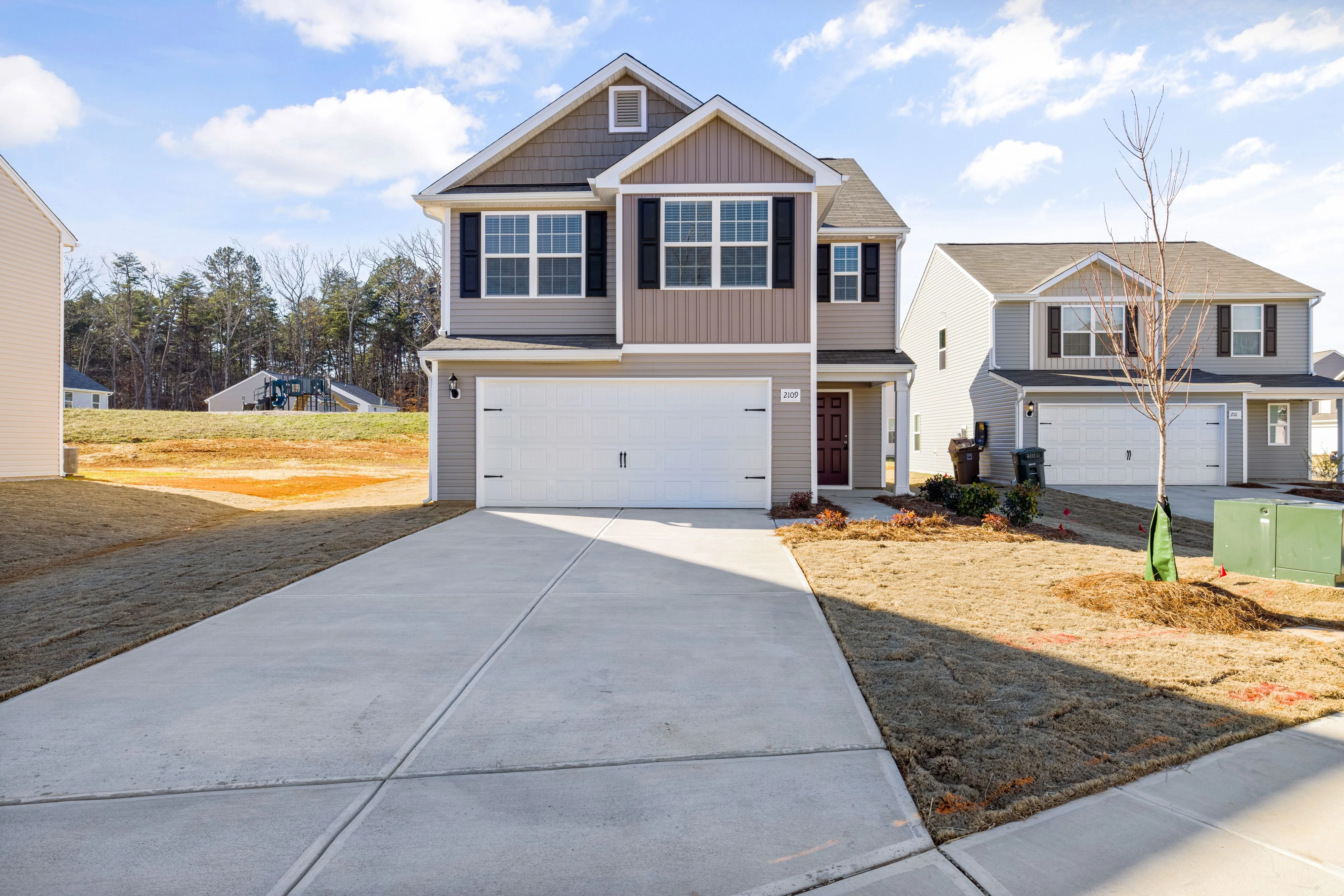
Wheaton Garage Door Pros serves Wayne, IL homes built mostly in the late 1980s - later-era openers, steel doors, and extension-spring hardware that need different parts than older stock nearby.
- Garage Door Repair
- New Door Installation
- Springs & Openers
Local detail
This Area's Housing
Wayne sits about ten miles out from our shop in Wheaton, past Glen Ellyn (2 miles) and Winfield (3 miles) on the way. It's a small area - around 899 households - and a newer one than most of the towns we cover. Median year built here is 1988, a good decade newer than the 1976 median across the wider service area we work. That matters more than it sounds like it should, because a door built in 1988 is not the same door as one built in 1968.
Income here also runs high: median household income near $169,583, well above the $97,861 median across our broader coverage area of 542,515 households. That tends to show up in the doors themselves - bigger sections, insulated panels, openers with more features than the bare-bones units builders used to install standard.
We don't have a landmark list or a neighborhood breakdown for Wayne specifically, so we're not going to invent one. What we do have is the build-year number, and it tells you almost everything you need to know about what's likely behind the door.
The area
What the Housing Means for Your Door
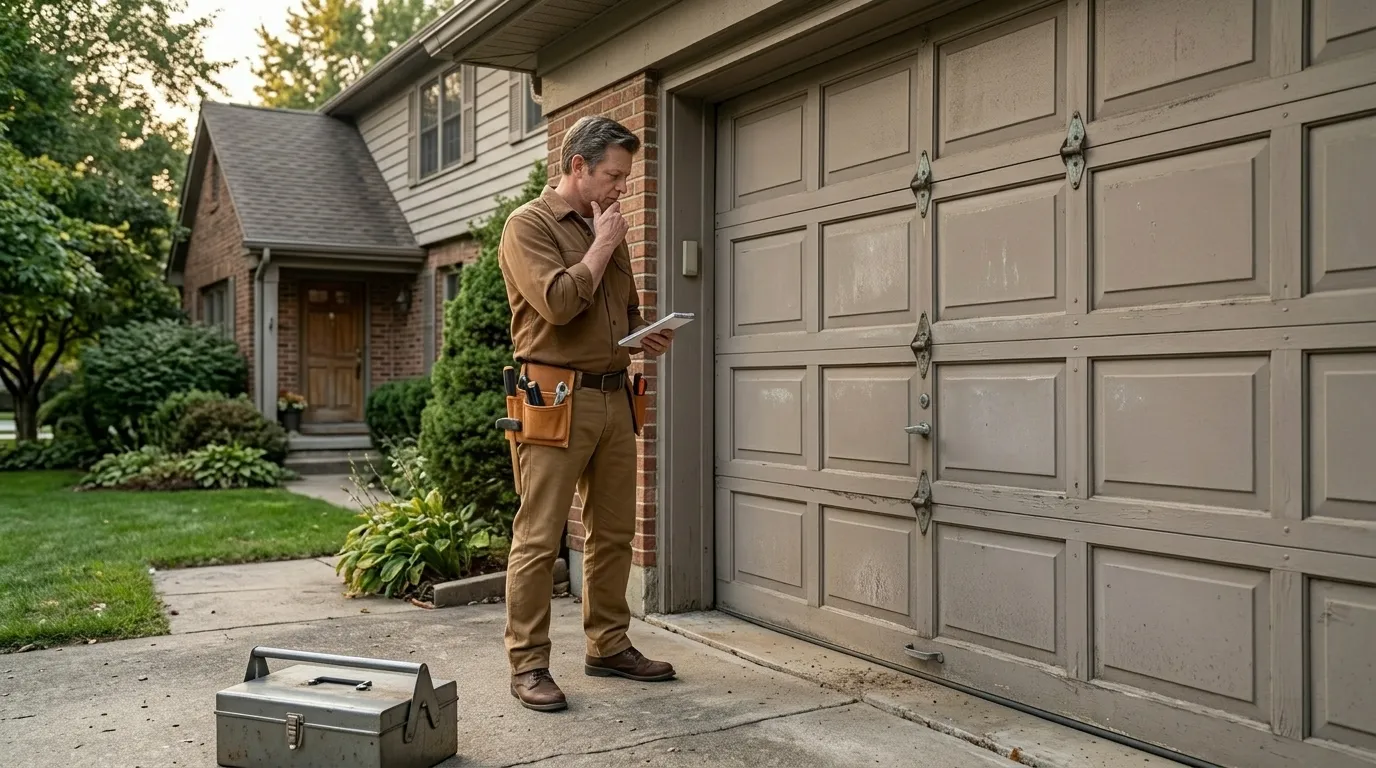
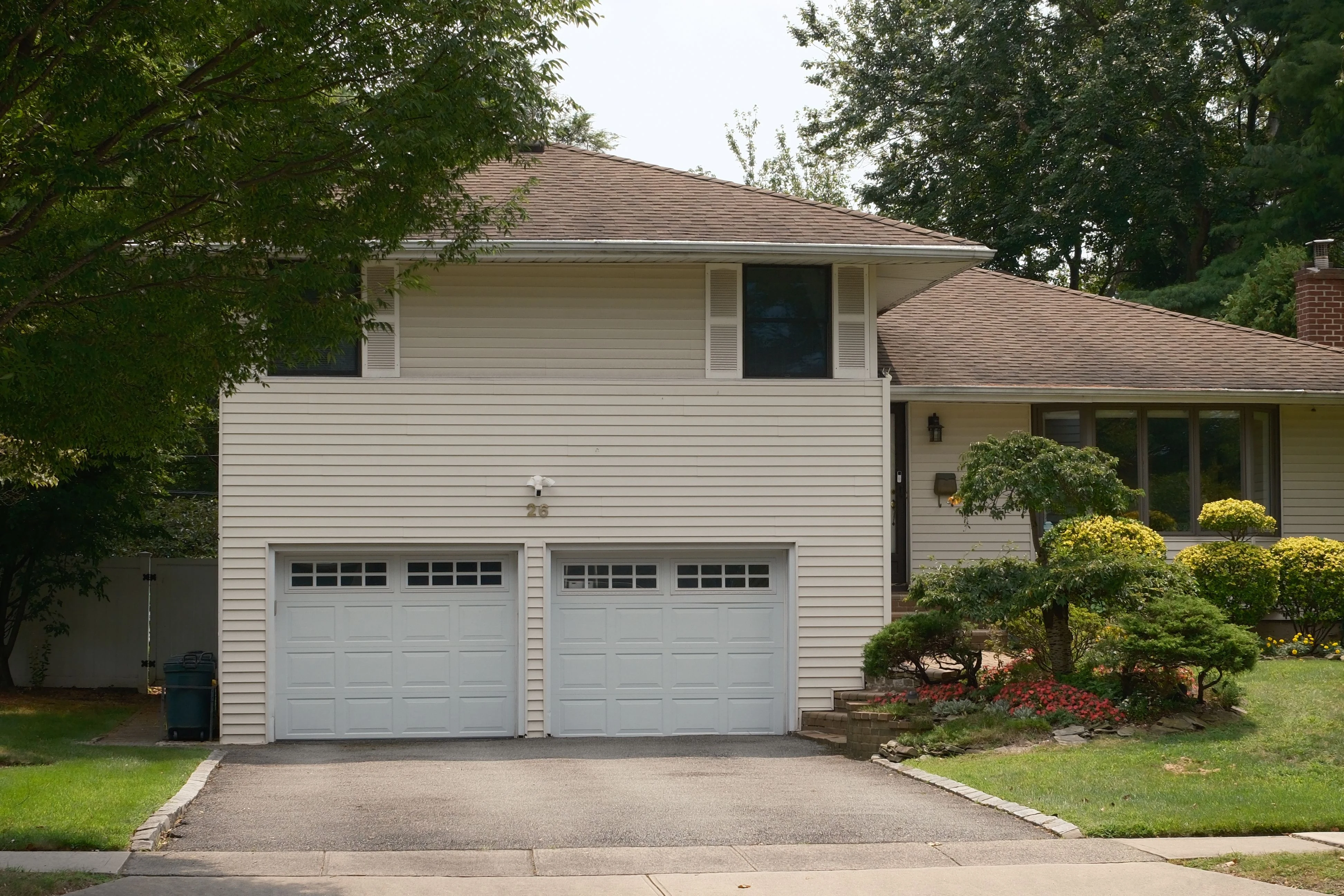
A house built around 1988 almost always came with a steel raised-panel door, not the old flat wood slab you'd find in a 1960s build. The springs are usually extension-type mounted along the horizontal tracks rather than a torsion bar over the header, though by the late '80s torsion setups were becoming common too - we check both, we don't assume. Openers from that build era are early chain or belt drive, and if the house hasn't had the opener replaced yet, you're looking at a unit pushing 35+ years old, well past the point where parts are easy to source.
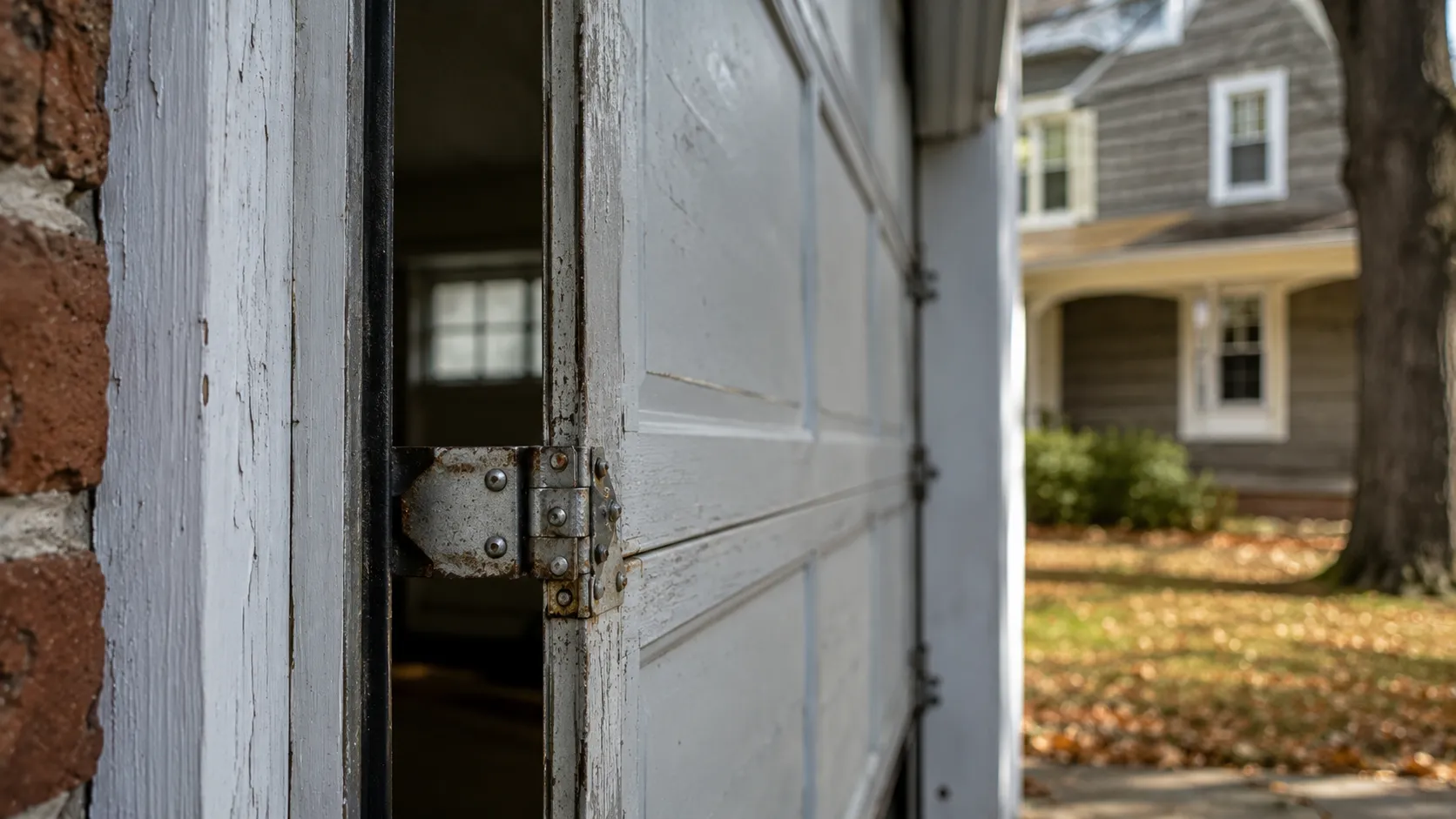
Because Wayne's stock is newer, we generally see less rot and warping in the door skin itself compared to older-era homes closer in. What we do see more of is worn nylon rollers, stretched extension springs that were never rated for the door's actual weight, and photo-eye sensors from an older opener generation that don't align well with newer safety code.
Our climate band here is cold moderate - real winters, real temperature swings - and steel panels from this era don't always have the same insulation R-value that current doors carry, so cold-season noise and drafts are common complaints.
What we find
What We Do Most in This Area
Given the 1988-ish build year, most of the calls we'd expect from Wayne are extension spring replacement, roller and track wear, and opener repair or replacement on units that are original or close to it. Chain-drive openers from that generation tend to fail at the logic board or the drive gear long before the motor itself gives out, so a repair call often turns into a straightforward opener swap rather than a parts hunt.
We also expect some torsion spring work on the newer end of that build range, since torsion hardware became more standard as the '80s went on. Panel damage - dents from a car bumper or a basketball, not weather - shows up here as it does anywhere, and steel panels from this era are usually still replaceable rather than needing a full door swap.
We travel to Wayne from our shop in Wheaton for scheduled jobs; we don't keep a crew or truck stationed in the area, so a same-day slot depends on the day's route, not a local depot.
How we work
What We Do Not Do
We don't do cosmetic-only refinishing work - repainting or refacing a door that's structurally fine but looks dated isn't a job we take on. If a door is more than 25 years past its opener's rated cycle count and the springs, rollers, and drive gear are all failing at once, we'll usually tell you straight that replacement costs less over time than chasing repairs on every worn part separately. That's not an upsell - it's the math on parts and labor stacking up versus one new install.
We also won't guess at a diagnosis over the phone for anything involving the opener's electronics; some of those late-'80s and '90s logic boards are simply not manufactured anymore, and if a part isn't available, we say so rather than promise a fix we can't deliver. That's the honest limit of the job: some doors get fixed, some get replaced, and no amount of good intentions changes which one applies once the parts are discontinued.
Service areas
Other areas we cover near Wayne
Questions
Common questions
Are Wayne homes likely to have torsion or extension springs?
It depends on exactly when the house was built, since Wayne's median build year of 1988 sits right in the transition period. Earlier homes in that range often have extension springs on horizontal tracks; later ones are more likely torsion. We check the actual setup on-site rather than assume from the year alone.
Do you have a shop or crew based in Wayne?
No. We're based in Wheaton, about ten miles away, and we travel out to Wayne for scheduled jobs. There's no local depot here, so availability depends on our route that day rather than a standing local presence.
Is my 1980s opener worth repairing or should I replace it?
If the motor and drive gear are original and the logic board is failing, repair often costs close to what a new opener runs, and parts for boards from that era are getting harder to find. We'll look at what's actually wrong before recommending either way.
Why does my door feel drafty in winter even though it's not that old?
Steel doors from the late 1980s often carry less insulation than current models, and our climate band here runs cold with real seasonal swings. Worn weatherstripping combined with a lower factory R-value is usually the cause, not damage to the door itself.
Ready when you are
Need a garage door sorted in Wheaton?
Wheaton Garage Door Pros repairs and installs garage doors, springs and openers in Wheaton, IL and the surrounding area.